Charming Alpine and Pyrenean Villages: Where to Go in France’s Mountain Heartlands
France’s mountains are more than ski lifts and vistas: they are a constellation of compact, living villages where stone houses, high pastures and centuries-old traditions persist. From the dramatic cirques of the Pyrenees to the volcanic plateaus of the Massif Central and the jagged ridges of the Alps, select villages offer intimate access to hiking trails, regional foodways and cultural heritage. This article profiles a cross-section of the country’s most compelling mountain villages—places that reward slow travel with memorable viewpoints, local markets and authentic stays. Whether you want glacier panoramas, sunlit alpine pastures or medieval lanes set among volcanic peaks, you’ll find a village that fits your pace and interest.
Must-See Attractions
Each village has its headline draws—natural or manmade—that define the visit.
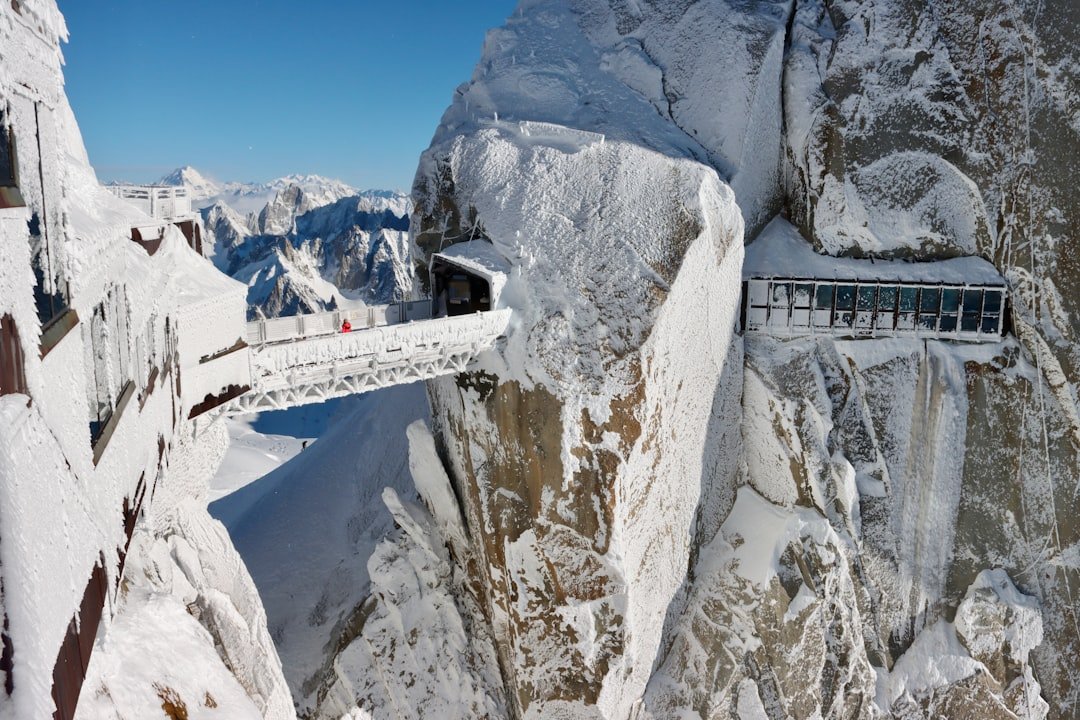
- Chamonix-Mont-Blanc (Haute-Savoie): Take the Aiguille du Midi cable car for a near-vertical view of Mont Blanc and explore the Mer de Glace glacier by train and ice cave.
- Gavarnie (Hautes-Pyrénées): The Cirque de Gavarnie, a glacier-carved amphitheater with a towering waterfall, is a UNESCO-listed natural landmark and the village gateway to classic Pyrenean hikes.
- Saint-Véran (Queyras, Hautes-Alpes): Renowned as one of the highest inhabited villages in Europe, Saint-Véran’s sun-baked wooden and stone houses and high meadows epitomize traditional alpine architecture and pastoral landscapes.
- Bonneval-sur-Arc (Savoie): Nestled in the Vanoise National Park, this small Savoyard village preserves traditional slate-roof cottages and access to glacial valleys and summer pastures.
- Salers (Cantal, Auvergne): A beautifully preserved medieval hilltop village of black volcanic stone, Salers overlooks the pastoral Cantal plateau and is a showcase for regional architecture and gastronomy.
- Colmars-les-Alpes (Alpes-de-Haute-Provence): A fortified village on the Ubaye valley edge, Colmars offers 17th-century ramparts, a river setting and proximity to high-altitude trails and gorges.
- Megève (Haute-Savoie): Originally a Savoyard village turned chic resort, Megève combines cobbled streets, historic chapels and panoramic access to Mont d’Arbois slopes.
Local Experiences
Mountain villages reward slow, sensory travel. Here are authentic ways to connect with local life.
- Regional food and cheese: Taste Comté, Beaufort and Tomme de Savoie in alpine markets or family-run fromageries. In Salers sample the eponymous Salers cheese and Potée auvergnate in village auberges.
- Markets and local producers: Weekly markets in Megève and Chamonix showcase charcuterie, mountain honey and artisan bread. In Queyras and Cantal, small producers sell herb-infused liqueurs and cured meats.
- Viewpoints and short walks: In Chamonix, walk the quiet trails along the Arve river or take the cable car for high viewpoints. In Gavarnie, the rim walk to the cirque viewpoint is a must—accessible and spectacular.
- Festivals and traditions: Look for seasonal fêtes—summer pasture transhumance, alpine music festivals or village saint days—where folk costumes, dancing and local foods are on display.
- Neighborhoods and architecture: Wander Saint-Véran’s sun-facing lanes and carved balconies, or Meander Salers’ medieval streets to see black basalt façades and wrought-iron details.
- Outdoor activities: Hiking, via ferrata, trail running and mountain-biking dominate in summer. In winter, many villages double as gateway resorts for cross-country, ski touring and family skiing—Megève and Chamonix have extensive lift networks, while Queyras and Vanoise villages offer quieter cross-country options.
Best Time to Visit
Timing depends on the experience you seek—snow sports or alpine meadows.
- Summer (June–September): Best for hiking, wildflowers and warm alpine days. July–August bring the most visitors and nearly all mountain huts, lifts and attractions are open.
- Late spring (May–June) and early autumn (September–October): Shoulder seasons mean fewer crowds, lower prices and pleasant weather for lower-altitude walks. Wildflower displays in June and crisp, colorful foliage in September make these months appealing.
- Winter (December–March): Prime for skiing, snowshoeing and winter festivals. Alpine resorts like Chamonix and Megève are busiest around the Christmas and mid-February school holidays; quieter villages in Queyras or Vanoise suit those seeking solitude.
- Weather and crowds: Weather can change rapidly at altitude—expect cooler nights even in summer. Peak tourist months are July–August and holiday periods in winter; plan bookings early for popular villages.
Essential Travel Tips
Practical advice for a safe, smooth trip to France’s mountain villages.
- Transportation: Many villages are reached by car; driving gives flexibility for mountain access. Trains serve gateway towns (Chambéry, Grenoble, Annecy, Briançon) with regional buses or transfers to villages. In winter check road conditions and tire requirements—snow chains or winter tires may be mandatory.
- Money: Small village shops may accept only cards or cash—carry some euros for markets, small cafés and remote refuges. ATMs are common in larger towns but sparse in remote valleys.
- Safety: Respect mountain safety: check weather and trail conditions, carry a map, adequate layers and emergency supplies. Let someone know longer-route plans; consider a local guide for glacier or high-alpine routes.
- Packing: Layered clothing, sturdy hiking boots, sun protection and a light waterproof are essentials. In winter pack warm base layers, a down jacket and insulated footwear.
- Local etiquette: Village life is quieter—observe local rhythms, keep noise low in evenings, and ask before photographing people in private settings. Learn a few French phrases; a friendly greeting goes a long way in small communities.
Frequently Asked Questions
Which mountain village is best for first-time alpine visitors?
Chamonix is ideal for first-timers: excellent access by train from Geneva or Lyon, many lift-served viewpoints like Aiguille du Midi, and a range of accommodations and guided options for varying fitness levels.
Are these villages suitable for non-hikers?
Yes. Many villages have scenic short walks, cultural sites, markets and cable cars that provide mountain views without long hikes. Megève and Salers are particularly accessible for relaxed sightseeing.
Can I visit multiple villages in one trip?
Absolutely. Road trips through the Alps, Pyrenees or Massif Central let you sample several villages. Distances between villages can be short but mountain roads may take longer than flat routes—allow extra travel time.
What wildlife might I see in these regions?
Expect alpine fauna such as chamois, marmots, ibex in protected parks, and a variety of birds of prey. Keep distance, do not feed wildlife, and follow park guidelines to minimize disturbance.
How do I find authentic local food and lodging?
Look for family-run auberges, agritourism farms and small guesthouses listed by regional tourist offices. Local markets and village bakeries are reliable places for authentic produce and specialties.
Conclusion
France’s mountain villages offer concentrated doses of landscape, history and regional culture—each with a distinct character shaped by geology, climate and human tradition. Whether you want the high drama of Chamonix and Gavarnie, the pastoral charm of Salers, or the quiet authenticity of Saint-Véran and Bonneval-sur-Arc, these villages reward attentive travel. Plan according to season and fitness level, respect local customs and environmental guidelines, and leave room in your itinerary to wander narrow lanes, linger at viewpoints and listen to the rhythms of mountain life. The result is a travel experience that feels both restorative and richly memorable.