Chasing Cascades: A Pacific Northwest Guide to the Region’s Most Spectacular Waterfalls
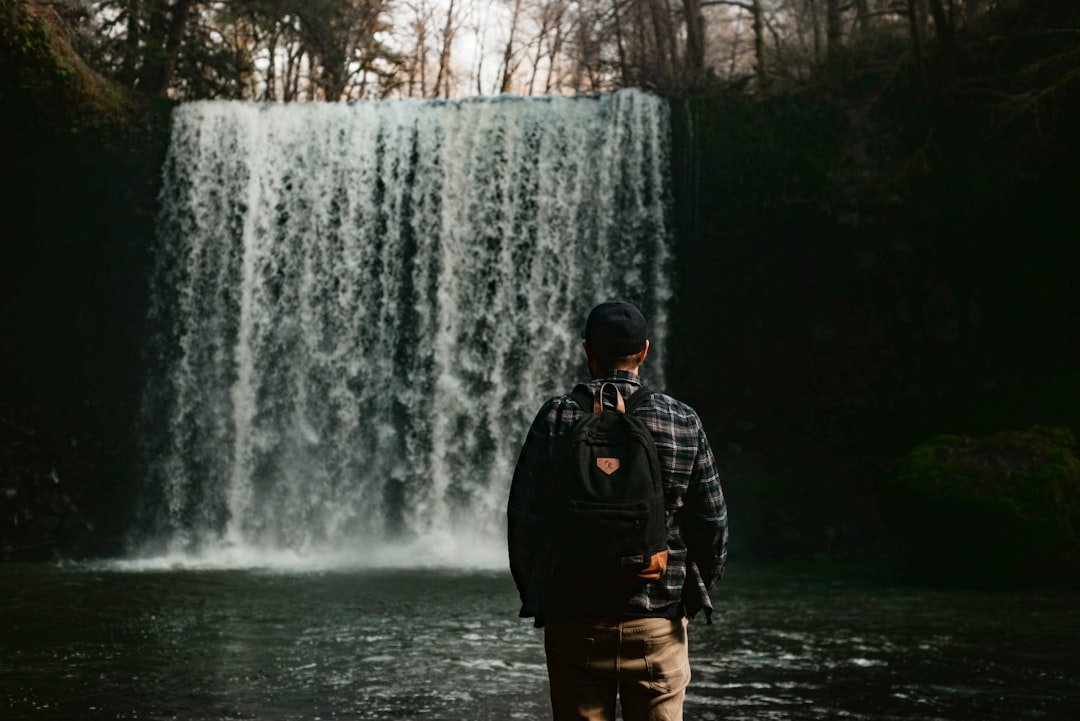
The Pacific Northwest is synonymous with temperate rainforests, basalt cliffs and rivers that carve dramatic passages — and nowhere is that drama more visible than at the region’s waterfalls. From thunderous multi-tiered plunges hidden in moss-draped canyons to slender, mile-long ribbons spilling off volcanic flanks, these cascades define the landscape and lure hikers, photographers and kayakers alike. This guide focuses on the Cascades and nearby ranges in Washington and Oregon, profiling must-see falls, authentic local experiences and the seasonal conditions that shape them. Whether you’re planning a weekend road trip or a multi-day waterfall route, learn how to get the best views, respect fragile ecosystems, and time your visit for peak flows and fewer crowds.
Must-See Attractions
The Pacific Northwest’s waterfall roster is vast, but several stand out for accessibility, scale and scenic variety. Below are the region’s essential falls to include on any cascade-chasing itinerary.
- Multnomah Falls, OR — Oregon’s iconic two-tiered cascade along the Columbia River Gorge drops 620 feet and offers a visitor center, an easy paved trail to the Benson Bridge and panoramic viewpoints. It’s a classic introduction to Gorge waterfalls.
- Wallace Falls, WA — Located in the Cascade foothills near Gold Bar, Wallace Falls State Park features a series of three major drops and a network of trails that scale cliffs for sweeping views of the falls and valley.
- Proxy Falls, OR — A favorite in the Willamette National Forest, Proxy Falls features twin streams plunging into a ferny amphitheater of volcanic rock. The short loop trail is photogenic and relatively easy.
- Sol Duc Falls, WA — In Olympic National Park’s rainforest, Sol Duc Falls is a powerful, tree-framed cascade best reached by a short walk through old-growth forest. The moss and ferns create a quintessential Pacific Northwest scene.
- Ramona Falls, OR — On Mount Hood’s western flanks, Ramona Falls fans out over a broad basalt shelf. The loop trail around the falls is scenic and pairs well with longer hikes on the Mountain Loop Highway.
- Bridal Veil Falls, WA — Near Goldendale and the Columbia River Gorge, this delicate veil is a peaceful stop with accessible viewpoints and picnic spots.
Local Experiences
Beyond the falls themselves, the Pacific Northwest offers authentic experiences that connect you to regional culture, cuisine and outdoor life.
- Food and Breweries — After a day on the trail, towns bordering waterfall corridors — Carson, Hood River, Silverton, Leavenworth — serve up farm-to-table fare and craft breweries. Seek out wood-fired pizza, salmon dishes and locally roasted coffee to refuel.
- Markets and Local Produce — Weekend farmers markets in Hood River and Portland supply seasonal fruit (apples, cherries) and local cheeses. They’re perfect for assembling a trail picnic before heading into the wilderness.
- Viewpoints and Scenic Drives — The Columbia River Gorge Scenic Byway (Historic Columbia River Highway) connects multiple waterfalls with readily reached overlooks. For forested cascades, State Route 20 across the North Cascades offers high alpine views and pullouts.
- Neighborhoods — Use Portland or Seattle as bases. Portland’s eastside neighborhoods and Seattle’s Ballard area are launch points for day trips, with shops, guide services and rental options for outdoor gear.
- Festivals and Events — Spring flower festivals and county fairs in small towns along Gorge and Cascade corridors provide local flavor. In winter, holiday markets and craft fairs in mountain towns add cozy downtime between outings.
- Outdoor Activities — Combine waterfall visits with hiking, trail running and, where permitted, canyoning or guided climbing. In winter, snowshoe routes and Nordic trails open new vantage points near higher-elevation falls.
Best Time to Visit
Timing makes a big difference in waterfall character. Here’s how seasons shape flows, access and crowds across the Cascades.
- Spring (March–May) — Peak flow season for most low- and mid-elevation falls as snowmelt and rains swell rivers. Expect the most dramatic water volume and verdant, mossy surroundings. Trails can be muddy; bring waterproof boots.
- Early Summer (June) — Snowmelt may still feed higher-elevation cascades, but lower trails begin to dry. Wildflowers bloom; this is ideal for combining high alpine hikes with waterfall stops.
- Late Summer (July–September) — Flows diminish at many falls but weather is warmest and access to high-country trails is best. Popular sites are busiest; plan for early starts to avoid crowds and heat.
- Fall (October–November) — Fall rains restore flows at lower elevations and add vivid foliage contrasts. Cooler temperatures and thinner crowds make this an attractive shoulder season.
- Winter (December–February) — Many higher trails are snowbound, but lower-elevation falls in the Gorge and Olympic foothills are dramatic with winter storms and ice formations. Use traction devices for icy approaches.
Essential Travel Tips
Getting the most from a cascade-focused trip requires practical planning. Keep these tips in mind for safety, comfort and respectful travel.
- Transportation — Rent a car for flexibility; many falls are accessible only by road. In the Columbia Gorge, parking at popular falls fills quickly — arrive early or late afternoon. Some trailheads have shuttle options in peak season.
- Permits and Fees — State parks and national parks may charge day-use or parking fees (Multnomah Falls, Olympic National Park). Check official park websites for up-to-date rates and reservation requirements.
- Safety — Stay on marked trails and viewing platforms. Rocks near waterfalls are slippery; approach edges with caution. In winter, pack traction, warm layers and microspikes when required.
- Packing — Waterproof jacket, sturdy hiking shoes, quick-dry layers, water and snacks. Bring a lightweight tripod and neutral-density filters for long-exposure photos if you shoot waterfalls often.
- Money — Credit cards are widely accepted in towns; carry some cash for remote parks or small vendors. Gas stations can be sparse on some backcountry routes — refuel in larger towns.
- Leave No Trace — Pack out waste, avoid trampling vegetation, and do not build cairns or alter water flow. Respect closures to protect sensitive habitats and breeding seasons.
- Connectivity — Cell service is spotty in many forested and canyon areas. Download maps offline and inform someone of longer backcountry routes before you depart.
Frequently Asked Questions
When are waterfalls at their most impressive?
Spring, during snowmelt and rainy periods, produces the highest flows and most dramatic displays across the Cascades. Early spring often balances strong flows with passable trails.
Are most waterfall trails family-friendly?
Many falls like Multnomah and Proxy Falls have short, family-friendly trails and viewing platforms. Always evaluate trail length, elevation gain and potential hazards like slippery rocks before bringing small children.
Can I swim near these waterfalls?
Swimming is possible in some locations but often unsafe due to cold water, strong currents and submerged hazards. Obey posted signs — many areas strictly prohibit swimming to protect visitors and ecosystems.
How crowded do these sites get, and how can I avoid crowds?
Popular sites (Multnomah Falls, Sol Duc) can get busy on weekends and holidays. Visit early morning, weekdays, or shoulder seasons and explore lesser-known falls such as many in the Gifford Pinchot and Willamette National Forests for quieter experiences.
What gear is recommended for waterfall photography?
A sturdy tripod, a wide-angle lens and neutral-density filters help create silky long-exposure images. Weather-sealed equipment and lens cloths are useful in misty conditions; protect gear from spray and sudden downpours.
Chasing cascades in the Pacific Northwest is a rewarding way to experience the region’s dramatic geology and temperate rainforests. From the thunder of Multnomah Falls to secluded plunges in volcanic canyons, each waterfall offers a distinct mood shaped by season, terrain and water flow. Plan around seasonal peaks for the most powerful displays, mix iconic sites with quieter gems, and prioritize safety and conservation on the trail. With some preparation — the right gear, respect for regulations and an eye for local food and culture — a waterfall-focused trip becomes more than a checklist: it’s a deep dive into the landscape that defines the Cascades.