Seasons of the Shore: A Guide to New England’s Quintessential Small Towns and Coastal Villages
New England’s coastline reads like a storybook of weathered clapboard houses, working harbors and fir-scented lanes that change character with the seasons. From Maine’s rocky headlands to the sandy hooks of Cape Cod and the historic ports of Rhode Island and Connecticut, the small towns and villages here offer concentrated doses of maritime culture: lobstermen at dawn, galleries along cobblestone streets, and lighthouses that punctuate foggy mornings. This seasonal guide helps travelers plan visits that match their interests—whether you seek sunbaked beaches and shellfishing in summer, brilliant foliage drives in autumn, or quiet winter walks beside brisk, wind-swept harbors. Practical advice, local experiences and must-see highlights will help you navigate New England’s coastal charms across the year.
Must-See Attractions
New England’s coastline is best appreciated at a handful of enduring places that embody the region’s maritime heritage and scenic variety.
-
Historic harbors — Towns like Newport, Portsmouth and smaller Maine ports retain working waterfronts where fishing boats lie alongside pleasure craft; stroll wharves for tactile access to an active fishing economy and classic waterfront architecture.
-
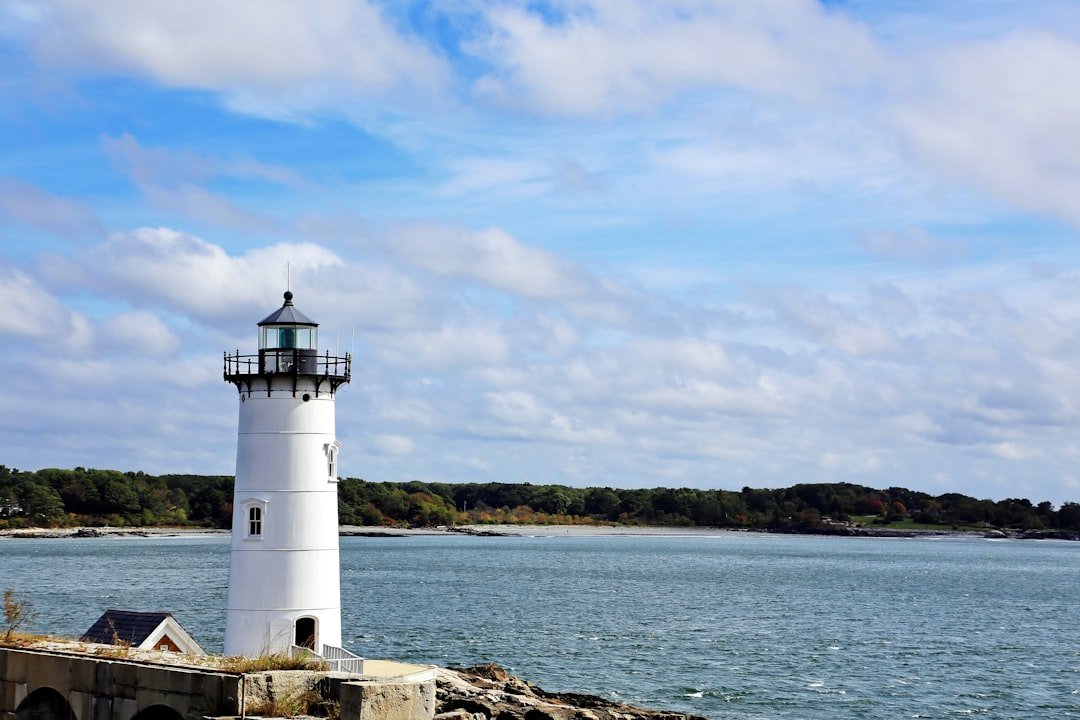
Lighthouses — Scattered from Maine to Connecticut, lighthouses are both navigational beacons and photo subjects. Popular public sites and viewpoints allow close observation of towers set against rocky ledges or sandy beaches.
-
Scenic coastal drives — Routes that thread the shore, such as those around Cape Cod and along Maine’s Route 1, offer dramatic sea vistas, salt marshes and access points to small beaches and lookout points.
-
Island gateways — Martha’s Vineyard and Nantucket in Massachusetts, and smaller islands off the Maine coast, each have distinct village centers, preserved architecture and ferry culture that encapsulate island life.
-
Main Street villages — Walkable downtowns in towns like Camden, Kennebunkport, and Rockport present galleries, independent shops and historic inns clustered near harbors or town greens.
Local Experiences
Authentic experiences make a coastal New England visit memorable. Prioritize food, markets, viewpoints and community events to connect with local life.
-
Seafood and informal dining — Eat where locals do: shorefront lobster shacks, clam shanties and oyster bars serving regionally sourced fare. Try a lobster roll or a clam bake and seek out seasonal shellfish from local harvesters.
-
Farmers’ markets and fishermen’s markets — Weekly markets in towns and harbors sell seasonal produce, baked goods and freshly landed fish; these are excellent places to sample local flavors and buy picnic supplies.
-
Harbor viewpoints and walking trails — Short coastal paths and harbor walks reveal tide pools, marsh grasses and migratory birds; sunrise and sunset are especially rewarding for light and quiet.
-
Gallery walks and artisan shops — Many small towns support a lively arts scene: summer galleries, craft co-ops and studios where you can meet makers and purchase ceramics, prints and maritime crafts.
-
Festivals and events — Seasonal festivals celebrate seafood, maritime history, and fall harvests. Summer brings boat parades and outdoor concerts; autumn delivers foliage festivals and small-town fairs.
-
Outdoor activities — Kayaking, sailing, fishing charters and cycling are widely available. In colder months, coastal hikes and birdwatching become focal outdoor pursuits.
Best Time to Visit
Each season offers a distinct version of New England’s coastal towns. Choosing when to visit depends on priorities like weather, crowd tolerance and desired activities.
-
Summer (June–August) — Warm weather, long days and the peak of boating and beach activity. Expect crowds in well-known destinations, active ferry schedules and the fullest selection of restaurants and tours.
-
Early fall (September–October) — Arguably the most balanced time: comfortable temperatures, lighter crowds after Labor Day, and vibrant fall foliage inland and on the hillsides above the shore. Many towns remain lively through October.
-
Late fall and winter (November–March) — Quiet, lower prices and a sharper maritime mood: windswept beaches, holiday events and cozy dining. Some services and seasonal businesses reduce hours or close, so check schedules in advance.
-
Spring (April–May) — A time of thaw and renewal: fewer tourists, blossoming gardens and the return of bird migrations. Weather can be variable—pack for cool, damp days—but spring offers good value and early-season seafood.
Essential Travel Tips
Practical planning makes a coastal trip smoother. Here are essentials for transportation, money, safety and local etiquette.
-
Transportation — Driving is the most flexible way to explore multiple towns. Ferries connect islands and some mainland points—book peak-season sailings in advance. In denser towns, parking can be limited; plan for short walks or shuttle services where available.
-
Money and reservations — Many small businesses accept cards, but some harborside stalls and shacks prefer cash. Reserve accommodations and popular tours well ahead for summer and fall weekends.
-
Safety and tides — Observe tide charts before beachcombing or shellfishing; rocky shores can be slippery and currents strong. For boating and water activities, always use a reputable outfitter and life jackets.
-
Packing — Layering is essential year-round. Summer nights can be cool by the water; spring and fall require windproof jackets. Sturdy footwear is useful for cobbled streets and coastal trails.
-
Local etiquette — Respect working harbors and private property. If visiting during low seasons, be mindful that many residents value quiet and community rhythms—ask before photographing private docks or homes.
Frequently Asked Questions
What are the most walkable coastal towns in New England?
Many small towns have compact centers; look for towns with a defined Main Street and harbor—these frequently offer the most walkable experiences, with shops, restaurants and waterfronts within easy distance.
How do I get to the islands like Martha’s Vineyard and Nantucket?
Ferries operate from multiple mainland ports in Massachusetts. In peak season, book tickets and vehicle reservations early; island schedules are reduced in shoulder seasons.
Are New England coastal towns family-friendly?
Yes. Many towns offer beaches safe for children, family-friendly museums and seasonal festivals. Check individual town resources for specific family programming and accessibility information.
When is lobster season and how can I try a local lobster experience?
Lobster is available year-round, but peak landings and festivals often occur in summer and early fall. Visit a working harbor, a licensed lobster pound or book a guided seafood tour to learn about sustainable practices and taste freshly cooked lobster.
Can I visit New England coastal towns during winter?
Absolutely—winter reveals a quieter, atmospheric side of the coast with snow-dusted harbors and off-season rates. Keep in mind that some seasonal businesses close; check opening dates and road conditions before traveling.
New England’s small towns and coastal villages reward visitors with concentrated slices of maritime life that shift with the seasons. Whether you time a visit around summer’s lively harbors, autumn’s foliage-laced drives, or the contemplative quiet of winter shorelines, these communities offer authentic foodways, craft traditions and outdoor pursuits tied to the sea. Travel deliberately—book summer ferries and popular tours early, embrace off-peak months for solitude, and prioritize local markets and waterfront walks to connect with the rhythms of coastal New England. In short: let the seasons guide your itinerary, and you’ll find a coastal town whose pace and charms suit your trip.