Arizona Uncovered: Iconic Sights, Local Flavors and Smart Travel Advice
Arizona is a landscape of dramatic canyons, red-rock mesas, saguaro-studded deserts and surprising cultural depth. From the rim of the Grand Canyon to the red cliffs of Sedona and the Sonoran Desert surrounding Tucson and Phoenix, the state rewards travelers who mix classic bucket-list sights with smaller, local discoveries. Expect Indigenous history, Mexican-American culinary traditions, vibrant small towns and outdoor adventures that change with elevation. Whether you’re planning a weekend escape or a two-week road trip, this guide highlights the must-see places, authentic experiences and practical advice to help you make the most of Arizona’s contrasts—blazing sun, high plateaus, and star-filled nights.
Must-See Attractions
The Grand Canyon National Park is Arizona’s signature landmark: the South Rim offers iconic overlooks like Mather Point and Bright Angel Trail for classic views and accessible hikes; the North Rim is higher, quieter and open seasonally. In northern Arizona, Antelope Canyon and Horseshoe Bend near Page showcase sculpted slot canyons and dramatic river curves—note that Antelope Canyon is on Navajo Nation land and requires a guided tour.
Sedona’s red rock formations and scenic drives such as Oak Creek Canyon draw photographers and hikers; Cathedral Rock and Devil’s Bridge are two of the most photographed spots. Flagstaff sits at higher elevation and is a gateway to the San Francisco Peaks, low-snow winter skiing and Colorado Plateau landscapes.
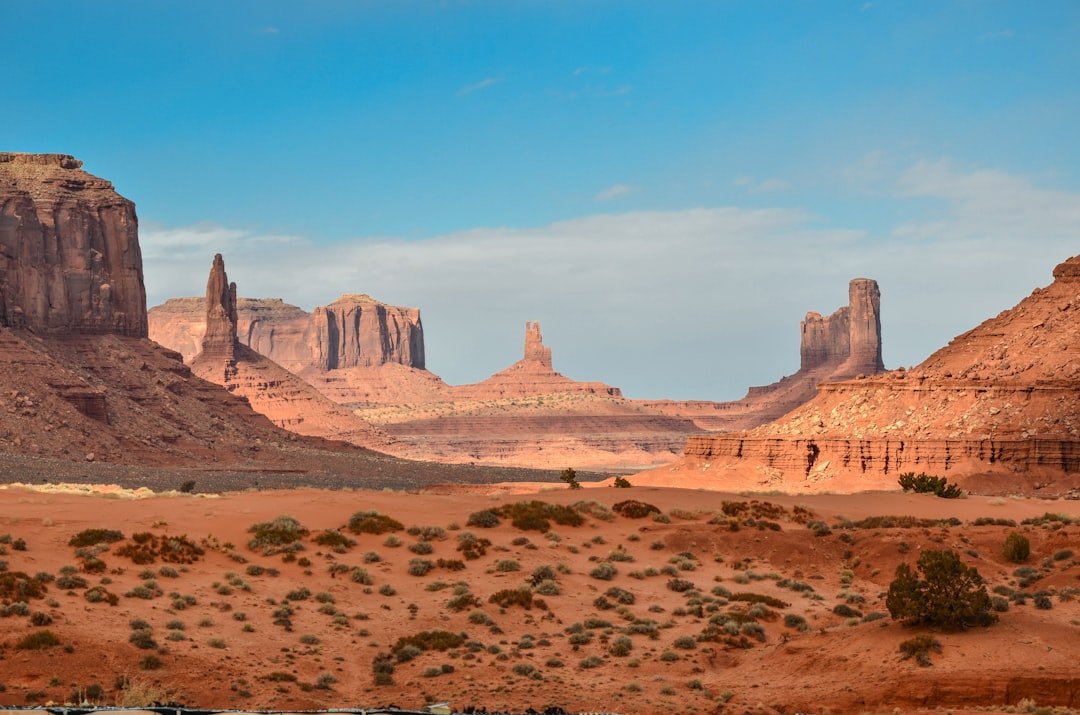
In southern Arizona, Saguaro National Park flanks Tucson and preserves the classic icon of the Sonoran Desert: the saguaro cactus. Nearby, Kartchner Caverns State Park offers a contrast underground with well-preserved limestone formations. For an immersive cultural landscape, Monument Valley on the Navajo Nation features towering buttes and classic Western vistas made famous in film.
Other highlights include Petrified Forest National Park with its fossilized wood and painted desert badlands, the historic stretch of Route 66 through towns like Kingman and Williams, and Canyon de Chelly in northeastern Arizona where Navajo families still live within the canyon walls.
Local Experiences
Arizona’s culinary and cultural life is as varied as its terrain. In Tucson—officially designated a UNESCO City of Gastronomy—sample Sonoran-style Mexican food: Sonoran hot dogs wrapped in bacon, carne seca, and street tacos. Tucson’s Mercado San Agustín and weekly farmers markets showcase local chiles, tortillas and prickly pear jellies. In Phoenix and Scottsdale, a growing craft-beer and farm-to-table scene pairs well with upscale Southwestern cuisine.
Indigenous culture is central to Arizona’s identity. Look for Native-run tours and cultural centers—such as exhibits and tours on the Navajo Nation and Hopi areas—to learn about pottery, weaving and history from community perspectives. Buying directly from Native artisans supports local economies and ensures authenticity.
Outdoor enthusiasts can hike Sedona’s red-rock trails at sunrise to avoid midday heat, mountain bike the technical singletrack around Flagstaff, or take a rafting trip through the Colorado River for a different view of canyon walls. Stargazing is exceptional—Dark Sky Parks near Flagstaff and remote desert sites provide crystalline night skies. Seasonal festivals include the Tucson Gem and Mineral Show in February and Tucson’s gem of local tradition—the Tucson Rodeo (Fiesta de los Vaqueros) in late February.
Best Time to Visit
Timing your trip depends on what you want to do and which part of Arizona you’ll visit. Spring (March–May) and fall (September–November) are the most comfortable overall: daytime temperatures are mild across Phoenix, Tucson and northern plateaus, wildflowers bloom in spring and shoulder-season crowds are smaller than summer.
Winter (December–February) is ideal for southern Arizona—Tucson and Yuma have pleasant winter weather—and is the high season for birding and outdoor events. Northern destinations like the Grand Canyon and Flagstaff are colder and may receive snow, offering winter scenery and reduced crowds on the rim.
Summer (June–August) brings intense desert heat in lower elevations—Phoenix and Yuma regularly exceed 100°F—and the monsoon season (July–September) brings afternoon thunderstorms and the risk of flash floods, though it also produces dramatic skies and lower daytime temps in higher elevations. If traveling in summer, plan higher-elevation stops (Sedona, Flagstaff, Grand Canyon North Rim) to escape the worst heat.
Essential Travel Tips
- Transportation: Renting a car is the most practical way to explore Arizona—distances between attractions are often long, and public transit is limited outside urban centers. Allow ample driving time between sites and keep maps or offline GPS handy for stretches with weak cell service.
- Permits & access: Many scenic slot canyons and Indigenous lands require guided access or permits. Book Antelope Canyon and Monument Valley tours in advance and respect tribal regulations and closures.
- Hydration & sun protection: Carry water—one gallon per person per day is a safe guideline for desert hikes—use sunscreen, hats and sun-protective clothing. Heat-related illness is a real risk during summer months.
- Packing: Bring layered clothing for temperature swings between desert floor and high plateaus, sturdy hiking shoes, a refillable water bottle, a wide-brim hat and a daypack. If visiting in winter, pack a warm jacket for higher elevations.
- Safety: Beware of flash floods in slot canyons and washes, especially during monsoon season. Watch for rattlesnakes and scorpions—don’t put hands or feet where you can’t see. Tell someone your itinerary if you’re heading into remote areas.
- Money & cards: Major towns accept cards, but cash can be useful at farmers markets, small shops, and some tribal enterprises. ATMs are scarcer in remote areas—withdraw in larger towns before heading into rural regions.
- Local etiquette: Respect Indigenous lands and communities—ask before photographing people or ceremonies, and follow posted rules. Tipping is customary in restaurants and for guides; typical ranges are 15–20% for service.
- Wildlife & environment: Keep distance from wildlife and pack out trash. Stay on designated trails to protect fragile desert flora and archaeological sites.
Frequently Asked Questions
What’s the best way to see the Grand Canyon?
Visit the South Rim for the most accessible viewpoints and visitor services; walk parts of the Rim Trail for easy views or take a guided mule ride or ranger-led program. For a quieter experience, the North Rim is open seasonally (late spring–early fall) and receives fewer visitors but requires a longer drive.
Are Antelope Canyon and Horseshoe Bend open year-round?
Horseshoe Bend is generally accessible year-round via a short walk from the parking area. Antelope Canyon is on Navajo Nation land and requires a guided tour—seasonal closures and permit restrictions apply, so book ahead and check local guidance before traveling.
How should I prepare for hiking in Arizona deserts?
Start hikes early to avoid peak heat, carry ample water (at least one gallon per person per day for hot days), wear sun protection, and choose trails suited to your fitness. Watch weather forecasts for monsoon storms and never hike in washes when rain is expected upstream.
Can I visit tribal lands and cultural sites freely?
Some tribal lands and attractions welcome visitors with permits or guided tours, while others are private or restricted. Respect signage and rules; support local economies by booking approved tours and purchasing directly from tribal vendors when offered.
What should I know about driving distances and fuel?
Arizona is vast—plan fuel stops and allow extra time for drives between towns. Some stretches, especially in northern and eastern Arizona, have limited services; top off your tank when you have the chance and carry a physical map or offline navigation as backup.
Conclusion
Arizona offers a striking mix of natural spectacle, cultural depth and regional flavor. From sunrise over the Grand Canyon to sunset on Sedona’s red rocks, the state invites travelers to slow down, explore varied elevations and engage with Indigenous and Southwestern traditions. Planning around seasons, booking guided tours where required, staying hydrated and respecting local communities will let you enjoy the state’s highlights safely and responsibly. Whether you’re chasing iconic vistas, sampling Sonoran cuisine or wandering small towns off Route 66, Arizona rewards curiosity with memorable landscapes and authentic experiences.