New Zealand Unlocked: Mountains, Lakes and Adventure in Aotearoa
New Zealand is a compact country with dramatic contrasts: jagged alpine ridges give way to mirror-still lakes, glaciers carve coastal fiords, and geothermal valleys simmer beside surf beaches. For travelers drawn to mountain panoramas, crystalline lakes and outdoor pursuits, Aotearoa offers a sequence of unforgettable landscapes within easy reach. This guide focuses on the South and North Islands’ best-known mountain and lake destinations, classic adventure hubs and authentic local experiences—how to get there, when to visit and what to pack. Expect practical tips, standout attractions and real-world suggestions for planning routes between Queenstown, Wanaka, Fiordland, Aoraki/Mount Cook, the glaciers of the West Coast and the geothermal and cultural highlights of the North Island. Read on for an active, scenic New Zealand itinerary that balances bucket-list sights with quieter local corners.
Must-See Attractions
Aoraki/Mount Cook National Park: Home to New Zealand’s tallest peak, Aoraki/Mount Cook is a magnet for alpine hikers and stargazers. The Hooker Valley Track delivers dramatic glacier and mountain views with moderate effort; the Sir Edmund Hillary Alpine Centre in nearby Twizel provides context on mountaineering history.
Milford Sound and Doubtful Sound (Fiordland): These deep, glacier-carved fiords are among the country’s most iconic seascapes. Milford Sound offers waterfalls, sheer cliffs and scenic cruises; Doubtful Sound is quieter and often visited on multi-day expeditions that emphasize wildlife and remote wilderness.
Queenstown and Lake Wakatipu: Known as New Zealand’s adventure capital, Queenstown sits on the shores of Lake Wakatipu with a backdrop of the Remarkables range. It’s the jump-off for bungy jumping, jet boating, paragliding and multi-day hikes like the Kepler Track.
Wanaka and Lake Wanaka: Less frenetic than Queenstown, Wanaka combines outstanding walking and mountain-biking trails with waterfront relaxation. The Roys Peak trail and Mount Aspiring National Park are nearby for alpine scenery and glacier-fed valleys.
Franz Josef and Fox Glaciers: On the West Coast, these temperate glaciers descend from the Southern Alps into rainforest. Guided glacier heli-hikes and valley walks showcase ice formations and moraine landscapes; always book with accredited guides due to changing conditions.
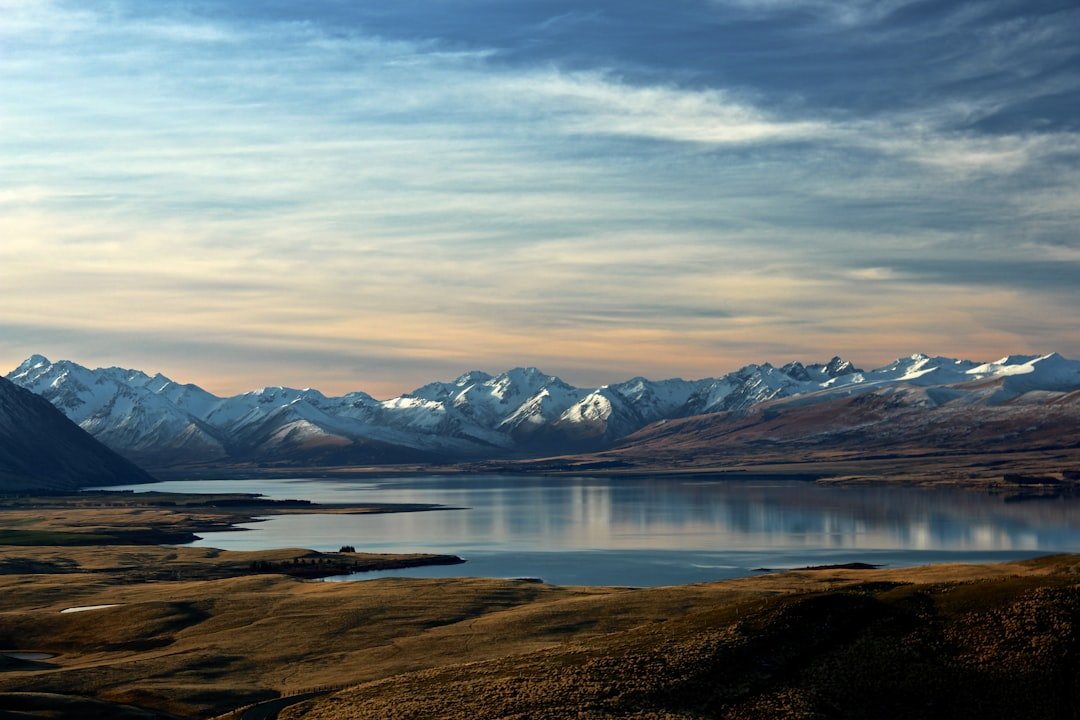
Lake Tekapo and Mackenzie Basin: Known for its turquoise lakes and Aoraki/Mount Cook views, Lake Tekapo is also part of the Aoraki Mackenzie International Dark Sky Reserve—an exceptional place for stargazing and astrophotography.
Abel Tasman National Park: Where golden beaches meet coastal track—sea kayaking and multi-day walks on well-sheltered coastlines make Abel Tasman a favorite for gentler outdoor exploration.
Tongariro Alpine Crossing: Often described as one of the world’s best day hikes, this volcanic route crosses lunar landscapes and emerald crater lakes. Weather can change rapidly; prepare accordingly.
Kaikōura: Renowned for marine wildlife, Kaikōura’s offshore deep waters attract sperm whales, dusky dolphins and albatross—making it one of the country’s premier whale-watching locations.
Coromandel Peninsula: Cathedral Cove and Hot Water Beach are classic coastal spots with dramatic cliffs, sheltered bays and the unique chance to dig your own hot pool at low tide.
Local Experiences
Food and wine: Sample Sauvignon Blancs in the Marlborough vineyards near Picton and Blenheim, and enjoy Central Otago Pinot Noir around Queenstown and Wanaka. For hearty Kiwi fare, try lamb, fresh whitebait fritters (seasonal) and coastal seafood—particularly crayfish and green-lipped mussels in the South Island.
Markets and neighborhoods: Visit the Nelson Saturday Market for artisan crafts and regional produce, or the Christchurch Farmers’ Market for South Island specialties. Wellington’s compact CBD and waterfront are great for café culture, while Dunedin’s Victorian precinct showcases heritage architecture.
Viewpoints and short walks: Drive up to Mount John Observatory at Lake Tekapo for wide panoramas, take the Skyline Gondola in Queenstown for sunset views, and stroll the Queen Charlotte Track in the Marlborough Sounds for easy coastal vistas.
Maori cultural experiences: Rotorua is the cultural heart for many visitors seeking geothermal attractions and authentic Maori performances and hangi feasts. Choose accredited marae visits or cultural centers to ensure respectful, accurate experiences.
Outdoor activities: Beyond hiking, try heli-skiing in the Southern Alps, sea kayaking in Abel Tasman, jet boating on the Shotover River, and multi-day tramping routes like the Kepler, Routeburn and Abel Tasman Great Walks. Guided options cover technical activities such as glacier travel and backcountry skiing.
Festivals and events: Summer brings a lively festival calendar—Wellington hosts the World of WearableArt (WOW) show, while major centers stage arts festivals and outdoor music events. Check local listings for dates and ticketing as many events are seasonal.
Best Time to Visit
Seasons: New Zealand’s seasons are opposite those in the Northern Hemisphere: summer runs December–February, autumn March–May, winter June–August and spring September–November.
Summer (Dec–Feb): Warmest weather and longest daylight make summer ideal for coastal activities, alpine walks and national park access. Expect the highest visitor numbers in December–February, especially in Queenstown, Milford Sound and Abel Tasman.
Autumn (Mar–May): Cooler temperatures and vibrant foliage offer quieter conditions and excellent hiking weather. Shoulder-season prices start to fall and popular tracks are less crowded in March and April.
Winter (Jun–Aug): Winter is prime for skiing and snow sports in the Southern Alps and around Queenstown and Wanaka. Some high-altitude roads and tracks may close; pack for cold, changeable conditions.
Spring (Sep–Nov): Melting snow and blooming landscapes make spring appealing for photographers and early-season trampers. Weather can be changeable—expect a mix of sunny spells and spring storms.
Best months by interest: For alpine hiking and road trips, aim for late spring to early autumn (November–April). For skiing and winter sports, June–September is best. For lower crowds and good weather balance, March–April is often ideal.
Essential Travel Tips
Transportation: Renting a car or campervan is the most flexible way to explore mountain and lake regions; New Zealand’s roads are generally well-maintained but can be narrow and winding. Allow extra time for winter driving—chains or snow tires may be required in alpine areas. Inter-city flights connect major hubs (Auckland, Christchurch, Queenstown), and long-distance buses and ferries (Cook Strait) link the islands.
Money and costs: New Zealand uses the New Zealand dollar (NZD). Credit cards are widely accepted; carry some cash for markets or remote services. Accommodation and activities can be peak-season expensive—book in advance for summer and winter high seasons.
Safety and weather: Mountain weather changes quickly. Always check DOC (Department of Conservation) and local forecasts before hikes. For alpine routes and glacier access, hire registered guides. Sun can be strong year-round—use high-SPF sunscreen and a hat.
Packing essentials: Layered clothing, a waterproof shell, sturdy hiking boots, a warm fleece, sun protection and a refillable water bottle. If you plan on water activities, bring quick-dry clothing and a dry bag.
Local etiquette: Respect Maori sites and follow guidelines at marae and cultural centers. When visiting natural areas, follow Leave No Trace principles—stick to marked tracks and avoid feeding wildlife. Tipping is not mandatory but appreciated for exceptional service.
Connectivity and SIM cards: Major towns have good mobile coverage, but remote alpine and coastal areas can be patchy. Buy a local SIM in airports or city shops for data and navigation when traveling between towns.
Frequently Asked Questions
Do I need a car to see New Zealand’s mountains and lakes?
A car or campervan provides the most flexibility to reach remote viewpoints, alpine trailheads and lakeside towns. Public transport connects major centers but can limit access to dispersed natural attractions.
Are alpine hikes accessible for beginners?
Many short valley walks and lowland tracks suit beginners (Hooker Valley, Lake Matheson, Abel Tasman coastal sections). High-country or alpine routes often require experience, good footwear and weather awareness; consider guided walks for technical terrain.
How long should I plan for a South Island road trip?
A practical South Island loop covering Queenstown, Wanaka, Franz Josef/ Fox, Aoraki/Mount Cook and Marlborough typically takes 10–14 days to enjoy key highlights without rushing.
Is New Zealand safe for solo travelers?
New Zealand is widely regarded as safe for solo travelers, with friendly towns and reliable infrastructure. Take standard precautions—share your itinerary for remote hikes and be mindful of weather risks.
Can I see the Southern Lights (Aurora Australis) in New Zealand?
Occasionally visible from southern parts of New Zealand during strong solar activity—best chances are in darker, less light-polluted southern locations such as Stewart Island or parts of Southland and Otago during autumn and winter nights.
Conclusion
New Zealand compresses an extraordinary variety of mountain, lake and coastal landscapes into a travelable distance, making it ideal for travelers who want dramatic scenery and outdoor adventure without long overland transfers. From the glaciers of the West Coast and the alpine plateaus around Aoraki/Mount Cook to the fiords of Fiordland and the activity hubs of Queenstown and Wanaka, the country supports a wide range of experiences—active, contemplative and culinary. Plan according to season, prioritize a mix of iconic sights and quieter local corners, and prepare for rapidly changing weather. With sensible planning and respect for the land and its people, Aotearoa rewards visitors with some of the most memorable natural encounters in the world.