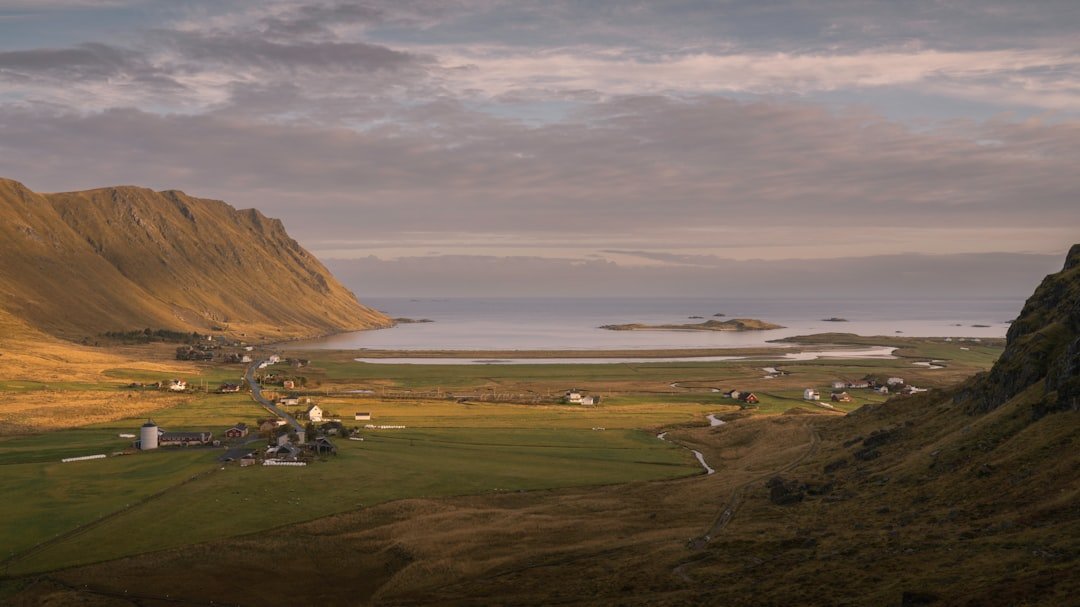
Norway’s Most Scenic Villages: Fjords, Fishing Huts and Mountain Views
Norway’s dramatic coastline, cut by fjords and dotted with centuries-old fishing communities, hosts some of the most photogenic villages in Europe. These small settlements combine rugged natural scenery with cultural threads that go back to the Viking age and the era of coastal trade. Whether you’re chasing the Northern Lights, floating beneath towering waterfalls or strolling wooden wharves lined with rorbuer (fishermen’s cabins), Norway’s villages offer compact, richly textured travel experiences. This guide highlights the best scenic villages—from Lofoten’s picture-postcard hamlets to UNESCO-listed settlements inland—explaining what to see, how to experience local life, and when to go for ideal weather and light. Read on for practical advice and curated recommendations to plan an unforgettable village-hopping trip in Norway.
Must-See Attractions
Norway’s villages are anchors to larger natural and cultural spectacles. In the Lofoten Islands, Reine’s red rorbuer framing steep peaks and glassy water make the village itself the attraction: walk the quay, photograph the classic view from Reinebringen, and explore nearby Å—where the well-preserved fishing village and the Norwegian Fishing Village Museum explain coastal life. Nusfjord, another Lofoten gem, is one of Norway’s oldest and best-preserved fishing villages with original warehouses, boathouses and a working harbor.
Geiranger village sits at the head of the UNESCO-listed Geirangerfjord; iconic sights include the Seven Sisters and Bridal Veil waterfalls visible from the fjord and from viewpoints such as Flydalsjuvet and Ørnesvingen. Flåm in the Aurlandsfjord region is the gateway to the Flåm Railway—one of the world’s steepest standard-gauge railways—offering dramatic valley and waterfall panoramas within minutes of the station.
Undredal, a tiny village on the opposite side of Aurlandsfjord from Flåm, is famed for its goat cheese and narrow wooden houses clustered up the hillside. On Norway’s west coast, Balestrand provides classic fjord scenery with a cluster of historic hotels and art connections to 19th-century painters. Inland, Røros—the copper-mining town often called a village due to its compact historic center—is a UNESCO World Heritage Site, notable for its wooden buildings, mine museum and seasonal markets.
Local Experiences
Food and drink in Norwegian villages often reflects what’s nearest: seafood, game and hardy mountain produce. In Reine and Henningsvær, sample fresh cod, halibut and stockfish at small seafood eateries or seasonal pop-ups. In Undredal, try local brunost-style and the village’s famed goat cheeses sold from farm shops. Balestrand and Flåm have bakeries and cafés where you can taste traditional brown cheese waffles and fish soup.
- Markets and local crafts: Røros hosts a popular Christmas market and summer cultural events where local craftspeople sell traditional textiles, silverwork and woodcarvings. Lofoten villages often have small galleries and craft shops featuring knitwear, ceramics and maritime art.
- Viewpoints and short hikes: Reinebringen gives a postcard panorama over Reine; Nusfjord and Å offer easy shoreline walks among historic piers; in Geiranger, viewpoints like Flydalsjuvet and Dalsnibba (nearby) are accessible by car for sweeping fjord views.
- Neighborhoods and architecture: Stroll the wooden streets of Røros to see preserved miners’ houses and church squares. In Flåm and Undredal, wooden boathouses and cliffside homes show traditional coastal building methods adapted to steep terrain.
- Festivals and seasonal events: Rørosmartnan (the Røros winter market) revives historical trading traditions each February. Many Lofoten communities host summer music events and seafood festivals celebrating local catch.
- Outdoor activities: Kayaking and RIB boat trips are popular for up-close fjord views in Geiranger and Aurlandsfjord. In Lofoten, sea safaris, fishing trips, and summer climbing or winter ski touring in nearby peaks are common. Flåm’s cycling routes—such as Rallarvegen—offer scenic single-day rides.
Best Time to Visit
Choosing when to visit depends on the experience you want: extended daylight and mild weather for hiking and boating, or dark skies and snow for winter atmospherics.
- Summer (June–August): Long daylight, calm fjord waters and most services operating in villages. July offers the warmest weather and lively cultural events, but expect the highest crowds and peak prices—especially in Geiranger and Flåm.
- Late spring and early autumn (May–early June, September–October): Fewer tourists, crisp air and excellent light for photography. Early June often has full greenery and milder weather; September delivers autumn color and calmer trails.
- Winter (November–March): Great for Northern Lights in northern villages like Reine and Henningsvær, and for snowy atmospheres in Røros and Geiranger. Some services reduce hours or close entirely in smaller villages—plan ahead and check transport availability.
- Shoulder seasons: April and October can be unpredictable weather-wise but provide quieter experiences and lower fares; hiking conditions may vary with late snow.
For a balance of accessibility and scenery, late May to early September is the most practical window for most village visits.
Essential Travel Tips
Practical planning makes village travel in Norway smooth and rewarding. These tips cover transport, money, safety, packing and etiquette.
- Transportation: Rent a car for maximum flexibility—many scenic viewpoints and smaller villages are best reached by road. The E10 connects much of the Lofoten archipelago; the Norwegian Scenic Routes link fjord villages. Trains serve Flåm (via Myrdal on the Bergen Line) and the Bergen-Oslo corridor; ferries and express boats connect islands and fjord-side villages.
- Money: Cards are widely accepted, even in small shops, but bring some cash for remote vendors or markets. Contactless payment and mobile banking are common.
- Safety: Weather changes quickly—check local forecasts before hikes and boat trips. If you plan mountain walking, inform someone of your route and consider hiring a guide for unfamiliar terrain. Follow posted safety advice at viewpoints and along fjord edges.
- Packing: Layered clothing is essential—windproof, waterproof outer layers, warm mid-layers and moisture-wicking base layers. Good walking shoes are a must; crampons or spikes are useful in winter. Bring a power adapter (Type C/F) and a portable charger for long days out.
- Local etiquette: Norwegians value personal space and quietness, especially in villages. Remove shoes where requested, ask permission before photographing people on private property, and respect marked private paths and farmland. Tipping is appreciated but not required—rounding up or leaving 5–10% for good service is fine.
Frequently Asked Questions
How do I get to Reine and other Lofoten villages?
Reine is reached by road via the E10, which connects Lofoten to the mainland via bridges and tunnels. You can fly to Leknes or Svolvær, then drive or take regional buses. Ferries also operate between mainland ports and Lofoten.
Is it possible to visit Geiranger in a day from Ålesund or Oslo?
From Ålesund, Geiranger is a long day trip by car (about 2.5–3 hours one way) or by combined ferry and bus services but is manageable if you start early. From Oslo, Geiranger is best reached with an overnight stop—driving or using a combination of train, bus, and ferry takes a full day.
Are there accommodations in small villages like Undredal and Nusfjord?
Yes. Undredal, Nusfjord and other small villages offer a mix of guesthouses, historic hotels and rorbuer (fishermen’s cabins). Availability can be limited in high season, so book well in advance.
Can I see the Northern Lights from these villages?
Yes—northern villages in Lofoten (Reine, Henningsvær, Nusfjord) have good aurora potential from late September to early April, provided skies are clear. Inland locations like Røros also offer strong aurora chances in winter.
Are these villages family-friendly?
Many are. Flåm and Geiranger have family-oriented excursions (train rides, boat trips). Lofoten villages offer safe beaches and gentle hikes for children, but check trail difficulty and weather before setting out.
Conclusion
Norway’s scenic villages are compact capsules of landscape, history and local culture—each offering a distinct way to experience the country’s fjords, islands and interior. From the red rorbuer and craggy peaks of Reine to the waterfall-strewn Geirangerfjord, and from the preserved wooden streets of Røros to the intimate charm of Undredal, these settlements reward slow travel and curiosity. Plan around seasonal services, prioritize a few villages to avoid packing your itinerary, and favor local guides and producers to deepen your understanding. With thoughtful timing and basic preparation, visiting Norway’s villages becomes more than a photo opportunity—it’s an immersion in communities shaped by sea, mountain and history.