Norway’s Most Beautiful Fjords: A Practical Guide to the Country’s Iconic Waterways
Norway’s fjords are the spine of the country’s dramatic coastline: deep, glacially carved inlets flanked by sheer cliffs, tumbling waterfalls and green terraces dotted with farms. From the UNESCO-listed Nærøyfjord to the heart-stopping viewpoints above Geirangerfjord, each fjord offers a distinct combination of scenery and activity. Whether you’re aiming for postcard panoramas at Preikestolen, a scenic ride on the Flåm Railway, or quiet kayaking past fruit orchards in Hardanger, planning matters: distances between fjords can require a mix of ferries, mountain roads and efficient regional transport. This guide highlights the most beautiful fjords to visit, the landmark attractions around them, local experiences that reveal regional culture, the best seasons to go, and practical travel advice to help you make the most of Norway’s most spectacular waterways.
Must-See Attractions
The fjord landscape is best appreciated by visiting several of Norway’s standout inlets. Here are the unmissable attractions tied to the most beautiful fjords.
- Geirangerfjord (Møre og Romsdal): A UNESCO World Heritage site known for its dramatic cliffs and iconic waterfalls such as the Seven Sisters (De Syv Søstrene) and the Suitor. Key viewpoints include Flydalsjuvet and Ørnesvingen; Dalsnibba summit provides a panoramic vantage above the fjord.
- Nærøyfjord & Aurlandsfjord (Vestland): Also part of the West Norwegian Fjords UNESCO inscription, Nærøyfjord is one of the narrowest fjords in Europe. The tiny village of Undredal and the Aurlandsvangen area are popular staging points; take a fjord cruise or paddle a kayak to feel the scale.
- Sognefjord (Vestland): Norway’s longest and deepest fjord stretches inland to glacial landscapes and alpine peaks. Visit the charming village of Flåm, ride the Flåm Railway (one of the steepest standard-gauge lines in the world), and explore side branches like Nærøyfjord and Aurlandsfjord.
- Hardangerfjord (Vestland/Hordaland): Famous for its spring-time fruit blossoms and cultural landscapes. The fjord leads to dramatic waterfalls—Vøringsfossen and the Hardangervidda plateau are reachable by short drives—and the Folgefonna Glacier offers glacier-walking opportunities nearby.
- Lysefjord (Rogaland): Home to Preikestolen (Pulpit Rock), a flat-topped cliff with a jaw-dropping overlook, and Kjerag with its famous Kjeragbolten boulder. Both hikes are demanding but reward hikers with iconic views of the fjord.
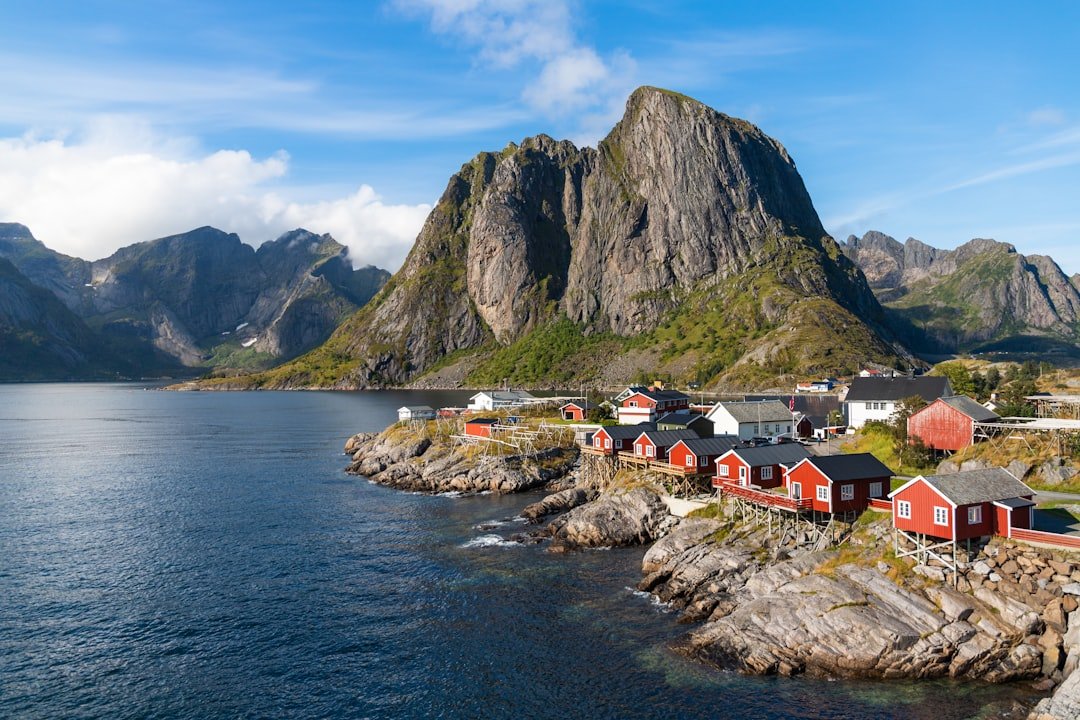
- Trollfjord & Lofoten/Vesterålen (Nordland): While narrower and more northerly, Trollfjord’s steep-sided entrance is dramatic on a wildlife or coastal cruise from Lofoten or Harstad; it’s a highlight of Arctic fjord scenery, especially for birdlife and photo-focused boat trips.
- Hjørundfjord (Sunnmøre Alps): Surrounded by steep, jagged peaks known as the Sunnmøre Alps, Hjørundfjord offers a wilder, less-touristed fjord experience with excellent hiking and alpine scenery.
Local Experiences
Exploring fjords is as much about local rhythms as it is about views. These experiences connect you to daily life and regional culture.
- Food and drink: Sample cod, arctic char or fresh salmon at local quay-side restaurants. In Hardanger, try locally produced apple cider and fruit desserts during blossom season. Mountain lodges and small cafés often serve hearty fish stews and flatbreads.
- Markets and small towns: Bergen remains a major gateway—its Bryggen wharf and fish market are lively starting points. In smaller fjord communities like Flåm, Undredal and Odda you’ll find artisan products, locally smoked fish and traditional crafts.
- Viewpoints and scenic drives: Drive the Eagle Road (Ørnevegen) above Geiranger for cliffside panoramas. The road to Dalsnibba, Trollstigen and the Hardanger National Tourist Routes combine dramatic overlooks with carefully designed viewing platforms.
- Neighborhoods and villages: Spend time in fjord villages to observe farming terraces and boathouses. Undredal is known for goat cheese; Eidfjord is a convenient base for Hardanger excursions.
- Festivals: Plan trips around local events if possible: spring fruit festivals in Hardanger celebrate blossoms and harvests; regional music and food festivals occur in summer in towns like Bergen and Flåm.
- Outdoor activities: Kayaking, stand-up paddleboarding and day cruises put you at water level; glacier hiking (with guides) is available near Sognefjord and Hardanger. Hiking routes range from short walks to multi-day treks in the Sunnmøre Alps and Jotunheimen-accessible valleys.
Best Time to Visit
Timing affects weather, daylight, and access to activities. Here’s how seasons compare for fjord travel.
- Late spring (May–June): Fruit trees in Hardanger bloom in late April–May, making May and early June prime for blossom photography. Waterfalls are vigorous from snowmelt; temperatures are mild but changeable.
- Summer (July–August): Warmest weather, longest daylight and the busiest tourist period. Most hiking trails and attractions are fully accessible. Book ferries, popular hikes like Preikestolen, and fjord cruises in advance.
- Early autumn (September): Fewer crowds, crisp air, and excellent autumn colors. Some services start to reduce after mid-September, but this is a great time for quieter travel and clear skies for photography.
- Winter (November–March): Winter fjord scenes are dramatic but many mountain roads and hiking trails are closed. Northern fjords like those in Lofoten and Vesterålen offer aurora viewing; guided snow and glacier activities require winter experience.
- Weather and crowds: Fjord weather is famously changeable—bring layers and waterproofs. For fewer crowds but reasonable access, aim for late May–early June or September.
Essential Travel Tips
Practical advice helps you navigate fjord travel efficiently and safely.
- Transportation: Norway’s fjords are best explored by mixing trains, ferries and regional flights. Bergen and Stavanger are convenient gateways for western fjords; Oslo connects to eastern fjords. The Flåm Railway is a highlight and runs year-round with seasonal schedules. Ferries are frequent on major fjord routes—check timetables and vehicle reservations in summer.
- Driving: Mountain roads can be narrow and steep with hairpin bends. Rent comfortable vehicles with good brakes and prepare for occasional ferry hops. Allow extra time for detours to viewpoints.
- Money: The Norwegian krone (NOK) is the currency. Card payments are accepted widely—including in small shops—but carry some cash for remote spots, tolls or small vendors.
- Safety: Weather changes quickly; bring waterproof layers and sturdy footwear for hikes. If hiking to Preikestolen, Kjerag or other summit viewpoints, check local trail conditions and consider guided tours if inexperienced. Mobile coverage is good in towns but patchy in remote valleys.
- Packing: Pack waterproof outer layers, warm mid-layers, and quality walking shoes. Sunglasses and sunscreen are useful even on cool days because reflection from water and snow increases UV exposure. For photography, a polarizing filter reduces glare on the water.
- Local etiquette: Norwegians value nature etiquette: follow marked trails, respect private farmland, and leave no trace. Tipping is appreciated but not obligatory; round up or leave 5–10% in restaurants if service is excellent.
Frequently Asked Questions
Which fjords in Norway are UNESCO World Heritage Sites?
Geirangerfjord and Nærøyfjord are part of the West Norwegian Fjords UNESCO World Heritage Site, recognized for their outstanding glacially formed landscapes and well-preserved cultural heritage.
How long should I spend to see the main fjords?
Allocate at least 7–10 days to visit multiple fjords like Sognefjord, Geirangerfjord and Hardangerfjord at a comfortable pace. A week can cover one or two regions thoroughly; two weeks allows for an expanded route including Lysefjord and northern fjords.
Are fjord cruises worth it?
Yes—day cruises or longer multi-day voyages (including Hurtigruten coastal sailings) provide unique perspectives from water level. Shorter fjord cruises are ideal for seeing waterfalls and narrow inlets; overnight cruises offer more relaxed itineraries.
Can I kayak in the fjords, and is it safe?
Kayaking is a popular way to experience tranquil side branches and narrow fjords. Use guided services if unfamiliar with cold-water conditions, as weather can change quickly and the water is cold even in summer.
How accessible are fjord viewpoints for travelers with limited mobility?
Some viewpoints like Ørnesvingen and certain platform areas have easy access by car with short paths, but many top viewpoints involve steep or rocky walking. Check accessibility info for specific sites—municipal tourist offices can provide details on barrier-free access.
Conclusion
Norway’s fjords combine geological drama with accessible outdoor activities and rich local traditions. From the UNESCO-protected narrows of Nærøyfjord to the high cliffs above Geiranger and the cliff-top drama of Preikestolen in Lysefjord, each fjord brings a different flavor—whether you prefer contemplative boat trips, vigorous hikes, or seasonal food and cultural experiences. Travel deliberately: pick a region or two, plan transport and accommodations in advance during high season, and allow time for the small villages and viewpoints that make the fjord landscape feel lived-in. With the right timing and preparation you’ll leave with vivid memories of towering cliffs, rushing waterfalls and the quiet power of glacier-shaped valleys.