From Hallstatt to Innsbruck: Austria’s Most Beautiful Lakes and Alpine Towns
Austria’s compact landscape folds dramatic mountains and luminous lakes into villages that look like paintings come to life. From the mirror-like stillness of Hallstätter See to the lively promenades on Wörthersee, each lake has its own character and a cluster of alpine towns that celebrate local culture, food and outdoor adventure. Whether you’re cruising on a steamer, hiking high trails with glacier views, or lingering over coffee in a centuries-old square, these destinations offer combinations of scenery and authenticity that are easy to reach by train or car. This guide highlights the most unforgettable lakes and towns across the Austrian Alps, with practical tips and local experiences to help you plan a trip that balances iconic sights with quieter discoveries.
Must-See Attractions
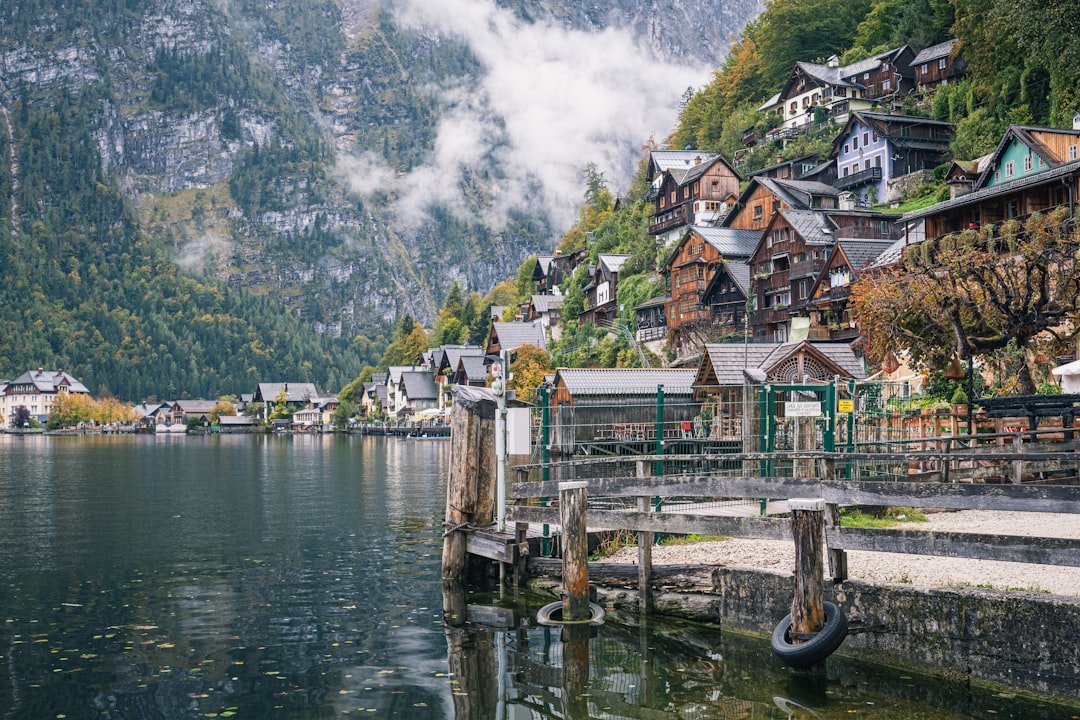
The Hallstatt village on Hallstätter See is a must for first-time visitors: narrow lanes, lakeside houses and the dramatic Dachstein limestone backdrop create one of Austria’s most photographed scenes. Nearby, the Hallstatt Skywalk and the 16th‑century ossuary in the parish church add historical depth.
Wolfgangsee and the town of St. Wolfgang offer a classic Salzkammergut experience—take the boat between St. Gilgen, Strobl and St. Wolfgang to see painted façades and lakeside promenades. In the south, Wörthersee’s warm water attracts swimmers; the town of Velden has elegant villas and a lively summer promenade.
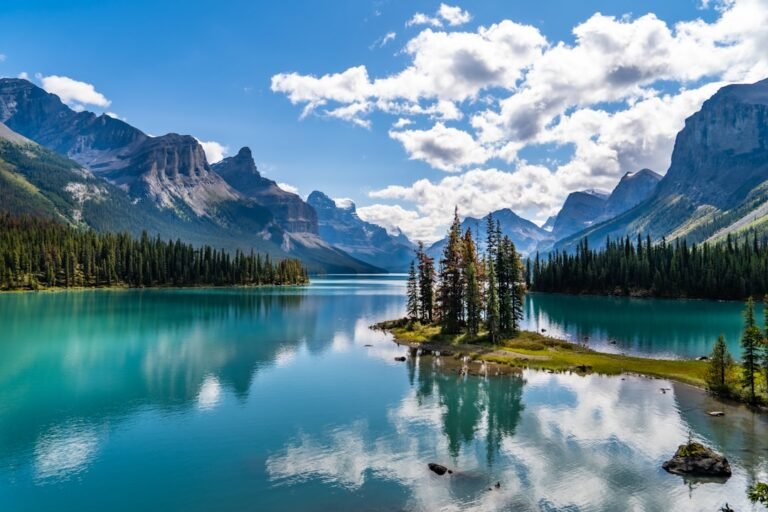
Zell am See and its Zeller See sit beneath the Kitzsteinhorn and Schmittenhöhe slopes: in summer hike alpine meadows, in winter ski right down to the town. Achensee, often called the Tyrolean Sea, is known for strong winds favored by sailors and excellent hiking and cycling routes around its turquoise water.
Traunsee and the town of Gmunden provide a quieter alternative—Gmunden’s lakeside promenade, ceramic tradition and the medieval Schloss Ort on a tiny island are highlights. For a historic imperial touch, Bad Ischl’s spas and the Kaiservilla recall Austria’s Habsburg past. Innsbruck, framed by high peaks, deserves a chapter of its own for mountain access and urban charm.
Local Experiences
Food: Taste regional specialties—lake fish such as trout and char; Salzkammergut dumplings (Kasnocken); Tyrolean speck and hearty soups in alpine huts. Coffeehouse culture remains important: take time for a Melange and a slice of Sacher or Linzer Torte in town historic cafés.
Markets: Weekend farmers’ markets in towns like Hallstatt, Gmunden and Innsbruck offer cheeses, cured meats and seasonal produce. Salzburg’s beaming markets and Innsbruck’s Markthalle are good for sampling local delicacies and picking up artisan goods.
Viewpoints: Ride the Schafbergbahn from St. Wolfgang for sweeping views over the Salzkammergut; take the Dachstein cable car for panoramic platforms and ice caves near Hallstatt; ascend Schmittenhöhe in Zell am See or the Nordkette from Innsbruck for alpine vistas close to town.
Neighborhoods: Walk the lakeside promenades—Velden’s arcades, St. Wolfgang’s lakeshore steps and Gmunden’s bayfront are ideal for people-watching. In larger towns, explore compact old towns with baroque churches and hidden courtyards.
Festivals and events: Time visits for regional highlights—the Salzburg Festival for classical music in summer, village Almabtrieb celebrations in autumn when decorated cattle descend from the high pastures, and Advent markets across towns for festive atmosphere and crafts.
Outdoor activities: Boats and steamers operate on most lakes—scheduling a short cruise is an easy way to appreciate the scale of the scenery. Summer brings hiking, mountain biking and paragliding; winter focuses on skiing in resorts like Zell am See and the Kitzbühel region, plus cross-country trails and winter lakeside walks.
Best Time to Visit
Spring (May–June): Wildflowers and cleared hiking trails make late spring attractive. Temperatures are mild, crowds are smaller than in high summer, and waterfalls are often full from snowmelt.
Summer (July–August): Peak season for lake swimming, boating and high alpine hikes. Expect the warmest weather and the most tourists—book accommodations and popular boat trips in advance. July brings the liveliest festival calendar and long daylight hours.
Autumn (September–October): Crisp air, autumn foliage and fewer visitors. This is prime time for photography—early October often shows golden slopes and quieter trails. Some high-season services scale back in late autumn.
Winter (November–March): Skiing and winter sports define the season. Lakeside towns are serene—many freeze visually into a winter postcard. Christmas markets and snow-dusted alpine villages are atmospheric, though some lakeside boat services close until spring.
Best months overall: For balanced weather and crowd levels, late May–June and September are excellent choices. For swimming and full alpine hut service, July–August are best; for winter sports, December–March.
Essential Travel Tips
Transportation: Austria’s rail network (ÖBB) connects major towns; regional trains and buses link Salzkammergut villages. Renting a car offers flexibility for remote lakes and mountain passes, but parking in small towns can be limited—arrive early. Many lakes have regular boat services that double as transport between towns.
Money and cards: Austria uses the euro. Credit and debit cards are widely accepted in towns and tourist venues, but carry cash for small market stalls, mountain huts and rural shops.
Safety: Mountain weather can change rapidly—check forecasts before hiking and tell someone your route. On trails, follow marked paths and consider trekking poles for steep descents. In winter, be avalanche-aware if heading off-piste; many areas require helmets for winter sports.
Packing: Layering is essential—mornings can be cool even in summer while afternoons warm up. Bring waterproof outerwear, sturdy walking shoes or hiking boots, sun protection for high-altitude exposure and a small daypack. For lake swimming bring a towel and quick-dry clothing.
Local etiquette: Austrians value politeness and quiet in residential areas—use a greeting (Grüß Gott in the south, Servus informally) and be respectful in public spaces. Tipping of around 5–10% is customary in restaurants; cafés often round up. Learn a few German phrases—they are appreciated even where English is common.
Frequently Asked Questions
Which Austrian lake is the most photographed?
Hallstätter See, specifically the village of Hallstatt, is among the most photographed due to its steep alpine backdrop and compact lakeside houses. Visit early morning or shoulder season to avoid tour-bus crowds.
Can you swim in Austrian alpine lakes?
Yes—many lakes such as Wörthersee, Achensee and Zeller See have designated swimming areas and beaches. Water can be chilly outside peak summer months; lifeguards may not be present at smaller lakes.
What is the best way to travel between alpine towns?
Use a combination of trains, regional buses and ferries. Major towns are well served by ÖBB regional trains; for more remote lakes, local buses and boat services fill gaps. Renting a car is useful if you want to visit multiple lakes in a short time.
Are alpine towns accessible in winter?
Yes—many towns remain accessible year-round and become bases for winter sports. Some minor roads and mountain passes close seasonally, so check routes in advance. Winter tires and awareness of snowy conditions are essential if driving.
Do I need reservations for popular attractions?
For peak-season boat cruises, cable cars and guided tours—especially in Hallstatt and Salzburg area—booking ahead is recommended. For restaurants in smaller towns, reservations at dinner times help avoid waits during busy periods.
Conclusion
Austria’s lakes and alpine towns offer a striking variety of experiences: tranquil waterfronts and lively promenades, centuries-old streets and high-mountain panoramas. Whether you seek active adventure—hiking, sailing or skiing—or slow travel that revolves around café culture and market mornings, the Salzkammergut, Tyrol and Carinthia regions provide scenography and substance in equal measure. Plan according to the season, favor slower travel modes to appreciate details, and leave room in your itinerary for unplanned stops—often the quietest lakeside moments become the most memorable.