Coastal Charms of California’s Central Coast: Towns, Beaches & Drives
The Central Coast of California stretches between the marine mists of Santa Barbara County and the rugged cliffs of Monterey Bay, a ribbon of shoreline that feels made for slow discovery. Here, tucked between Los Angeles and San Francisco, are small towns with distinct personalities, wide sandy beaches, working harbors and legendary coastal drives. Whether you want the Victorian charm of Cambria, the surf-and-dune energy of Pismo Beach, or the wind-swept silhouette of Morro Rock, this region rewards curiosity. Travel is measured in sunsets, oyster plates and the distance between pullouts on Highway 1. This article maps the must-see sights, local experiences, ideal seasons and practical tips to help you plan a memorable trip along the Central Coast—without gloss or haste, just the right pace for coastal California.
Must-See Attractions
The Central Coast’s appeal lies in its concentration of evocative places that are accessible and distinctive.
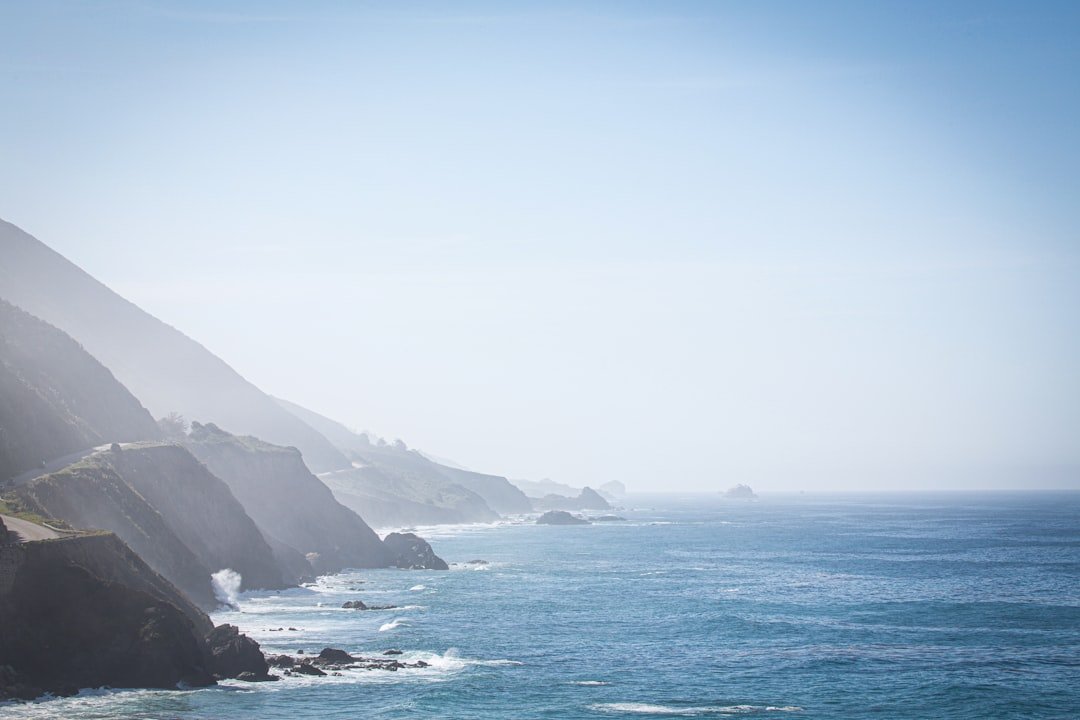
- Highway 1 (Pacific Coast Highway) — The coastal drive between San Simeon and Carmel (including Big Sur) is often the highlight: dramatic cliffs, pullouts with ocean vistas and access to state parks.
- Hearst Castle, San Simeon — William Randolph Hearst’s hilltop estate offers guided tours of opulent rooms, terraces and a collection of classical art; book timed tickets in advance.
- Morro Bay and Morro Rock — The volcanic plug that anchors the harbor is an iconic landmark; the waterfront and Embarcadero restaurants make for a pleasant stop.
- Pismo Beach — A classic Central Coast beach town known for wide sands, seasonal monarch butterfly groves and the long Pismo Pier; ATV access to nearby dunes remains a regional draw.
- Cambria and Moonstone Beach — Walkable downtown streets, art galleries and a scenic boardwalk along Moonstone Beach are perfect for leisurely afternoons.
- Bixby Creek Bridge & Big Sur lookouts — Near Big Sur, Bixby Bridge is one of the most photographed bridges in California; nearby state parks offer short hikes and dramatic vistas.
- Morro Bay State Park & Morro Bay Estuary — Kayaking, birdwatching and a natural history museum centered on the estuary’s ecology provide a nature-focused counterpoint to beach time.
- Point Lobos State Natural Reserve — South of Carmel, Point Lobos is a compact area with superb coastal trails, kelp forests and abundant marine life; arrive early to secure parking.
Local Experiences
The Central Coast rewards immersive, low-key experiences—eat well, listen to locals and follow where the tide and trails invite you.
- Seafood and farm-to-table dining — Oyster bars in Morro Bay and Cayucos, seafood shacks along the Embarcadero and upscale farm-driven restaurants in Paso Robles and Cambria showcase the region’s produce and Pacific catch.
- Farm stands and markets — Weekly farmers’ markets in towns like San Luis Obispo and Paso Robles feature local cheeses, wine, seasonal produce and artisanal goods—perfect for picnic supplies.
- Wine country detours — Paso Robles and Edna Valley offer boutique wineries and tasting rooms without the crowds of Napa; look for Rhône-style blends and family-run estates.
- Sunset and viewpoint rituals — Plan an evening at Pismo Pier, Morro Rock, or a Big Sur overlook; sunset on the water is a nightly spectacle and a good marker for timing your drives.
- Outdoor activities — Kayaking in Morro Bay, tidepooling at Moonstone Beach, hiking in Montana de Oro State Park and beachcombing at low tide provide accessible active options for most fitness levels.
- Local neighborhoods and small-town culture — Stroll the Mission Plaza in San Luis Obispo, browse galleries in Cambria’s East Village, and watch surfers at Cayucos to feel the region’s varied local characters.
- Festivals and events — Time visits for events like the Pismo Beach Clam Festival or Paso Robles Wine Festival if you prefer livelier weekends; smaller art walks and farmers’ market nights happen year-round.
Best Time to Visit
Seasons on the Central Coast are mild but distinct in terms of weather and crowds.
- Spring (March–May) — Wildflowers, cooler ocean temperatures and fewer crowds make spring a great balance. Late spring is ideal for hiking and outdoor dining as days warm.
- Summer (June–August) — Warm inland, but coastal fog (June gloom) is common in June. July and August bring the most visitors—expect higher prices and busy parking at popular parks and beaches.
- Fall (September–November) — Often the warmest, clearest and least foggy months along the coast. September and October combine warm afternoons with lighter crowds—arguably the best window for a road trip.
- Winter (December–February) — Cooler, wetter and quiet. Good for storm-watching, whale migration observation windows and lower accommodation rates; some seasonal businesses may have reduced hours.
For most travelers seeking pleasant weather and fewer crowds, late September through October is the sweet spot.
Essential Travel Tips
Practical advice makes a Central Coast trip smoother and more enjoyable.
- Transportation — Renting a car is the most flexible option; a vehicle with good brakes and coolant is useful for hilly stretches. Drive time can be slow on Highway 1—plan extra time for scenic stops.
- Parking and reservations — Popular pullouts and state park lots fill early in peak season. For Hearst Castle and select Big Sur accommodations or campgrounds, book well in advance.
- Money — Credit cards are widely accepted, but smaller towns may prefer card readers or cash at weekend markets. Tipping 15–20% at restaurants and for taxi/shuttle drivers is customary.
- Safety — Obey posted signs on beaches and cliffs—rip currents and unstable cliff edges are genuine hazards. Keep a safe distance from marine wildlife and nesting areas.
- Packing — Layered clothing for brisk mornings and warmer afternoons, a windproof jacket, sturdy walking shoes and sun protection are essential. Bring a reusable water bottle—tap water is generally safe and widely available.
- Cell service and maps — Expect intermittent cell coverage along rural stretches of Highway 1; download maps and directions ahead of time and carry a paper map if you prefer analog backups.
- Local etiquette — Respect private property and agricultural operations; ask before photographing people at farmers’ markets or private events. Support small businesses and interpretive centers to help maintain conservation efforts.
Frequently Asked Questions
How long should I spend exploring the Central Coast?
A well-paced trip typically runs from 3 to 7 days. Three days allows highlights—Pismo/Cayucos, Morro Bay and a stretch of Highway 1—while a week gives time for Paso Robles wines, Hearst Castle, Cambria and extended Big Sur exploration.
Is Highway 1 open all year between San Simeon and Big Sur?
Sections of Highway 1 can close seasonally or after storms due to landslides, especially near Big Sur. Check Caltrans updates and plan alternate inland routes when necessary.
Can I swim at Central Coast beaches?
Yes, but conditions vary. Many beaches have strong currents and cold water; swim near lifeguarded beaches where available and heed warning signs. Tidepooling and shoreline walks are safer low-water activities for many spots.
Are there family-friendly activities on the Central Coast?
Absolutely—tidepooling, easy coastal trails (e.g., Moonstone Beach), aquariums and gentle kayaking in Morro Bay are great for families. Look for interpretive centers and family-friendly wineries with outdoor spaces.
What’s the best way to see wildlife?
Birdwatching in estuaries, whale watching from shore during migration seasons (winter–spring for gray whales) and spotting sea otters in kelp beds near protected coves are reliable wildlife experiences. Join guided kayak or boat tours for closer views with expert guidance.
Conclusion
The Central Coast distills California’s coastal allure into manageable, memorable pieces: veteran surf towns, quiet estuaries, dramatic cliffs and vineyards that feel intimate rather than industrial. Travel here rewards a slower pace—time spent lingering over an oyster plate in Morro Bay, walking fog-softened bluffs at dawn, or pausing at a roadside vista to watch waves break against a headland. Practical planning—car rental, advance tickets for popular attractions and an eye on seasonal weather—lets you enjoy the region’s natural variety without stress. Whether you’re chasing a coastal drive, a quiet beach weekend or a tasting-room hop through rolling vineyards, the Central Coast delivers a distinctively Californian blend of ocean, agriculture and small-town rhythms.