Lakeside Italy: Scenic Towns, Mountains and Lakeside Escapes
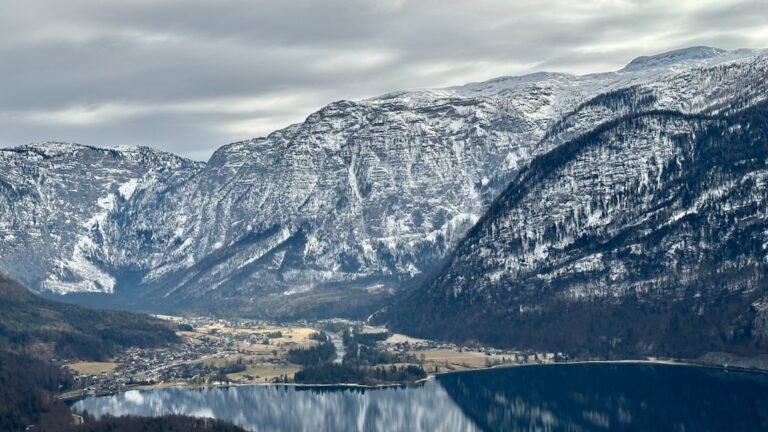
Italy’s lakes offer a compact, varied sweep of scenery: dramatic alpine backdrops, olive-dotted shores, medieval hill towns and glamorous villas. From the glinting fjord-like arms of Lake Como to the broad, wind-swept expanse of Lake Garda, each basin has its own personality. The lesser-known lakes—Orta and Iseo—reward travelers seeking quiet villages and local culture, while Lake Maggiore links Lombardy and Piedmont with islands and baroque gardens. Up in the Dolomites, alpine lakes add pastel reflections to jagged peaks. This guide focuses on the towns, viewpoints and outdoor activities that make lake travel in Italy so addictive, and offers realistic, practical advice for planning a multi-lake itinerary or a relaxed single-lake retreat.
Must-See Attractions
Lake Como: The town of Como itself has an attractive lakeside promenade and a funicular up to Brunate for panoramic views. Explore the central towns of Bellagio and Varenna—Bellagio’s narrow lanes and waterfront villas are classic, while Varenna’s lakeside gardens and castle ruins are atmospheric. Boat services between towns are frequent and scenic.
Lake Garda: Sirmione sits on a narrow peninsula crowned by a striking Scaliger castle and Roman ruins at the Grottoes of Catullus. Riva del Garda at the northern tip is flanked by cliffs and offers watersport access; Malcesine and the cable car up Monte Baldo provide sweeping lake panoramas and hiking.
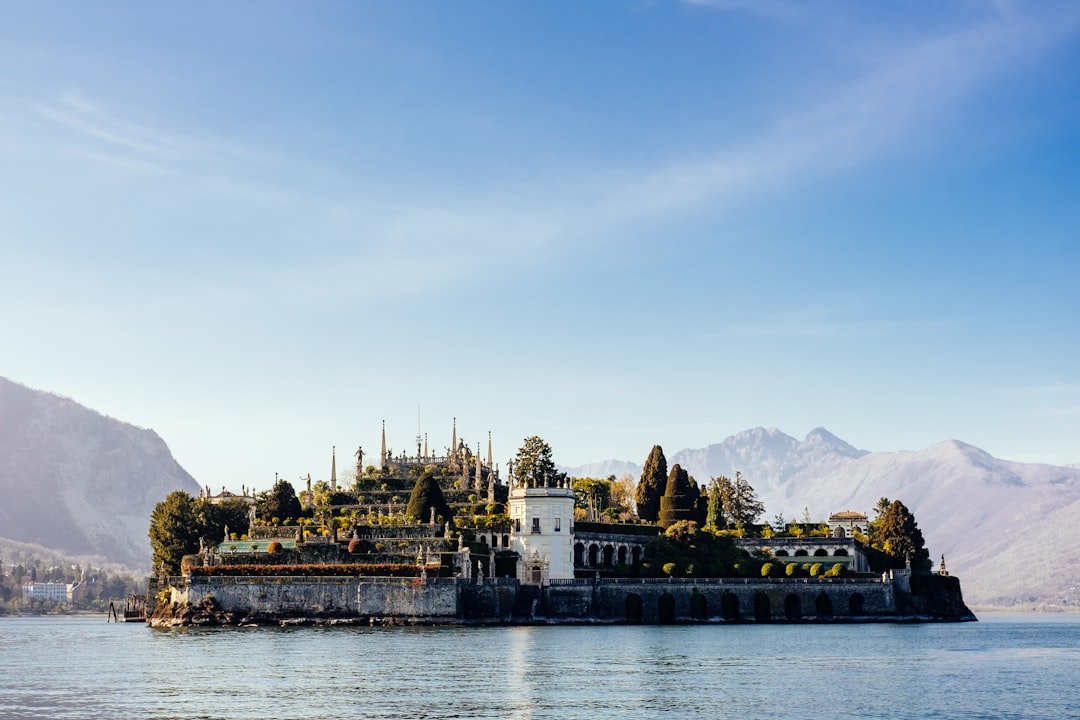
Lake Maggiore: Stresa is the principal lakeside resort, with boat links to the Borromean Islands—Isola Bella’s terraced gardens and Isola Madre’s arboretum are highlights. Verbania and the lakeside villas and parks on the Pallanza shore merit a slow stroll.
Lake Orta and San Giulio Island: Smaller and quieter, Orta San Giulio’s cobbled lanes and the car-free island of San Giulio create an intimate, almost medieval atmosphere perfect for a peaceful afternoon.
Lake Iseo and Monte Isola: Iseo’s compact town offers an easy base for visiting Monte Isola—the largest lake island in Europe—which is ringed by cycling and walking routes and reached by regular ferries.
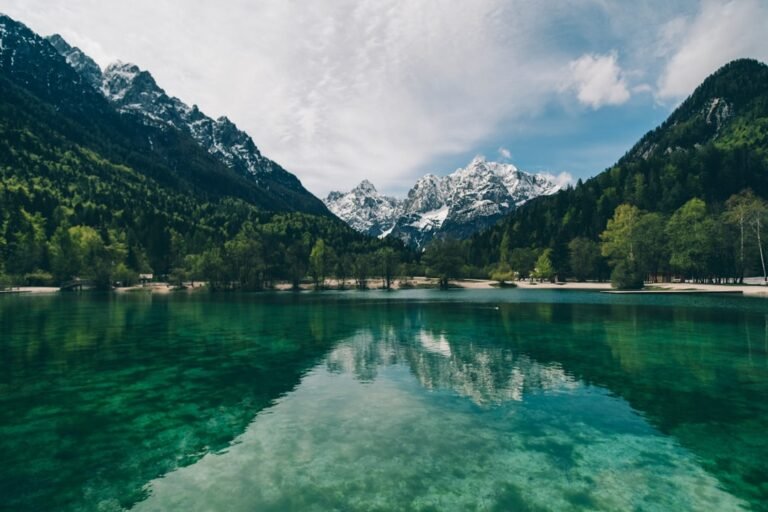
Dolomite Lakes: Alpine lakes such as Lago di Braies (Pragser Wildsee) in the Dolomites are renowned for their turquoise water and mountain reflections; they make excellent day trips for hiking and photography, especially in summer and early autumn.
Local Experiences
Food and dining: Lakeside cuisine emphasizes freshwater fish—lavarello (whitefish) and trout—often paired with polenta in northern lakes. Olive groves on Garda’s western shore produce local oils, and the surrounding plains supply rich risottos and cheeses. In Franciacorta, near Lake Iseo, sparkling wines are produced—tasting rooms and vineyard tours are readily available.
Markets and neighborhoods: Weekly markets populate town squares—Como, Sirmione and Stresa host markets selling local produce, cheeses, cured meats and artisanal goods. Explore lakeside promenades, narrow borgo lanes and waterside cafés to absorb daily life.
Viewpoints and photo spots: Take the funicular at Como to Brunate or the cable car at Malcesine for elevated panoramas. Walk the lakeside promenades at sunset for soft light on villas and islands. In the Dolomites, early morning at Lago di Braies rewards photographers with glassy reflections.
Festivals and culture: Throughout summer, lakes host concerts, classical music evenings and local fêtes. Small-town patron saint days and food fairs bring neighborhoods together—check local tourist offices for schedules during your stay.
Outdoor activities: Sailing, windsurfing and SUP are prominent on Garda thanks to consistent winds; the lake’s northern towns are activity hubs. Hiking and mountain biking trails surround Garda and Como—Monte Baldo, the Sentiero del Sole and the Greenway del Lago di Como offer varied terrain. On Iseo, cycle around the lakeshore and take a day on Monte Isola. In the Dolomites, alpine hiking, via ferrata routes and guided walks provide high-country options.
Best Time to Visit
Spring (April–June): A top choice for mild temperatures, blooming gardens and fewer crowds than midsummer. Late spring delivers green hillsides and pleasant boat travel; some high-elevation hikes may still have snow early in the season.
Summer (July–August): Warmest and busiest. Lakeside towns buzz with tourists, cafes and full ferry schedules. This is prime time for water sports and open-air concerts but expect higher prices and crowded attractions, especially at Como, Garda and Maggiore.
Autumn (September–October): Harvest season brings cooler, crisp air, fewer visitors and rich autumnal light—excellent for walking, wine tasting around Iseo and photography. Early October often provides near-ideal hiking weather.
Winter (November–March): Quiet and atmospheric, with some hotels and services reduced. Lake Garda remains milder due to its microclimate, making it preferable for off-season visits. Alpine lakes like Braies are scenic with snow but access and services vary—check road and refuge conditions.
Essential Travel Tips
Transportation: Ferries and hydrofoils are the most scenic way to move between towns on Como, Garda and Maggiore—schedules vary seasonally so book longer transfers in high season. Trains connect Milan and Verona to lakeside towns (Como, Desenzano del Garda, Peschiera). Renting a car offers flexibility for remote viewpoints and mountain roads but expect narrow streets and limited parking in historic centers.
Money and costs: Northern lakes are generally pricier than other Italian regions. Carry some cash for small markets and cafés; credit cards are widely accepted in hotels and restaurants. Book popular boat crossings and villa gardens in advance during summer.
Safety: Lakes are safe for tourists; observe water-safety rules when swimming and check local signage for currents or boat traffic. In mountain areas wear appropriate footwear and carry layers—weather can change quickly.
Packing: Layered clothing for variable temperatures, a lightweight waterproof, comfortable walking shoes for cobbled streets and trails, and sun protection for lake reflections. If you plan water sports, book lessons or guided rentals with reputable operators.
Local etiquette: Italians appreciate basic courtesy—learn a few greetings in Italian, respect quiet hours in small towns, and dress modestly if visiting religious sites. Tipping is appreciated but not obligatory; a small rounding up or 5–10% in restaurants for table service is common.
Frequently Asked Questions
Which lake is best for first-time visitors?
Lake Garda is often recommended for first-timers due to its size, variety of towns, reliable winds for watersports, and easier access from Verona and Milan. It combines beaches, medieval towns and mountain scenery.
How do I get between different lakes?
Trains and regional buses link many lake towns to major rail hubs like Milan, Verona and Turin. Ferries are specific to each lake. To travel between lakes, a car or train combination is typically fastest; ferries do not connect different lakes.
Are the lakes family-friendly?
Yes. Many lakes have shallow swimming spots, easy walks, and family-oriented activities. Garda, with its beaches and amusement parks nearby, is especially popular with families.
Can I visit multiple lakes in one trip?
Yes—many travelers base themselves in Milan or Verona and use day trips or short stays to visit two or three lakes. Allow at least two nights per lake to enjoy towns and activities at a relaxed pace.
Do I need to book boat tickets or villa visits in advance?
In high season (July–August), book popular ferry routes, villa gardens and island day trips in advance. Outside peak months, many services operate with greater flexibility, but check schedules and reservation requirements ahead of travel.
Conclusion
Italy’s lakes condense a variety of Italian landscapes—glamour and villas, wind-buffeted shores, tranquil islands and high-alpine reflections—into compact, accessible regions. Whether you seek active sailing on Garda, elegant promenades and villa gardens on Como and Maggiore, or intimate village life on Orta and Iseo, each lake rewards slow exploration. Plan seasonally to match your interests, use boats and local ferries to savor waterside transit, and leave room for unplanned lane-side cafés and sunset views. With a mix of outdoor pursuits and gentle cultural pleasures, Italy’s lakes make for memorable, repeatable journeys.