The United Kingdom’s Most Beautiful Lakes: A Traveler’s Guide
The United Kingdom’s lakes offer a striking contrast of serene water, rugged mountains and centuries of folklore. From the glassy expanses of Scotland’s lochs to the intimate tarns tucked into the Lake District, each lake has its own personality: some framed by dramatic peaks, others edged with woods and quaint villages. This guide highlights the most beautiful and accessible lakes across England, Scotland, Wales and Northern Ireland, with tips on what to see, how to get around and how to experience local life. Whether you want easy walks, boat trips, or quiet corners for photography and reflection, these lakes reward travelers who take the time to explore beyond the main viewpoints.
Must-See Attractions
These lakes are icons of the British landscape, each with distinctive scenery and nearby attractions worth planning for.
-
Windermere (Lake District, England) — England’s largest natural lake, Windermere pairs sweeping water views with boat cruises from Bowness-on-Windermere. The World of Beatrix Potter attraction and the Victorian steam yacht MV Tern style cruises (operated seasonally) add cultural interest.
-
Ullswater (Lake District, England) — Known for its horseshoe shape and the scenic Ullswater Steamers, this lake is a gateway to classic walks including Aira Force waterfall and sections of the Coast to Coast route.
-
Derwentwater (Keswick, England) — Framed by Skiddaw and Cat Bells, Derwentwater offers easy lakeshore walks, hire boats and a short cruise that showcase the dramatic fells that define the northern Lake District.
-
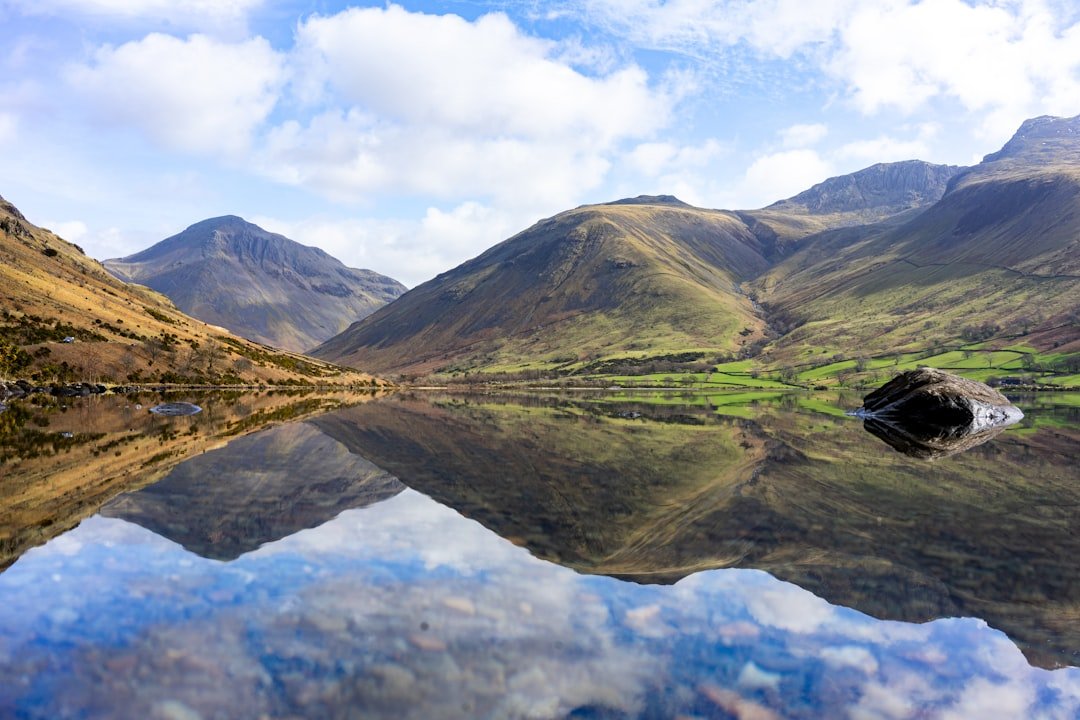
Wast Water (Lake District, England) — England’s deepest lake sits beneath the scree slopes of Scafell Pike. The stark, glacial scenery is dramatic and photogenic; it’s a favorite for landscape photographers.
-
Loch Lomond (Scotland) — Part of the Loch Lomond & The Trossachs National Park, this loch blends islands, woodland and hills. Take a ferry to Inchcailloch or hike Ben Lomond for views over the loch.
-
Loch Ness (Near Inverness, Scotland) — Famous for its legend of Nessie, Loch Ness is also 23 miles of dark, atmospheric water flanked by trails and historic sites such as Urquhart Castle.
-
Loch Maree (Northwest Highlands, Scotland) — A wild, complex loch dotted with islands and bounded by mountains. It’s celebrated for its ancient Caledonian pinewoods and remote beauty.
-
Loch Katrine (Trossachs, Scotland) — Shakespearean in its romanticism, Loch Katrine’s Victorian-era steamship cruises and waterside walking paths make it an elegant day trip from Glasgow.
-
Llyn Idwal (Snowdonia, Wales) — A small but spectacular lake set beneath steep crags and part of accessible walking routes including the Glyderau range. It’s a compact example of Snowdonia’s dramatic geology.
-
Llyn Tegid / Bala Lake (Wales) — The largest natural lake in Wales, popular for watersports and ringed by scenic drives and the town of Bala, which hosts watersports and local festivals.
-
Lough Erne (County Fermanagh, Northern Ireland) — A network of lakes and islands, Upper and Lower Lough Erne are known for boating, castle-dotted islands and quiet fishing waters.
-
Lough Neagh (Northern Ireland) — The UK’s largest freshwater lake by area, important for birdlife and local heritage; nearby visitor centers outline its ecological and cultural significance.
Local Experiences
Beyond viewpoints, the best memories come from getting involved with local life and traditions around these lakes.
-
Boat trips and steamers — Many lakes have heritage boat services: Ullswater Steamers, Loch Lomond cruises and Loch Katrine’s steamship all offer narrated trips that reveal local history and geology.
-
Watersports — Kayaking, paddleboarding and sailing are widely available on Windermere, Loch Lomond and Bala Lake; local outfitters provide lessons and guided excursions suited to beginners and experienced paddlers.
-
Hiking and fell-walking — Trails range from gentle lakeside strolls to full-day climbs: Ben Lomond above Loch Lomond, Cat Bells beside Derwentwater and the paths around Ullswater and Wast Water offer varied terrain and rewards.
-
Local pubs and regional food — Lakeside pubs serve comforting regional dishes: Lake District lamb, Scottish salmon and Welsh cawl. Try locally brewed ales and cheeses from nearby producers; farmers’ markets in Keswick, Kendal and Inverness showcase seasonal produce.
-
Photography and wildlife watching — Dawn and dusk are prime for photography. Look for oystercatchers, grebes and, in calmer corners, red deer and otters. RSPB reserves near many lakes host rich birdlife.
-
Village culture and festivals — Towns like Bowness-on-Windermere, Ambleside, Bala and Tobermory host festivals, craft fairs and music events throughout the year that celebrate local culture and produce.
-
Historic sites — Combine lake visits with nearby ruins and estates: Urquhart Castle on Loch Ness, Muncaster Castle near Wast Water and the Victorian gardens around Loch Lomond provide cultural context to the landscapes.
Best Time to Visit
Timing depends on what you want from your visit. Weather in the UK is changeable, but there are clear seasonal advantages.
-
Late spring to early autumn (May–September) — This is the most popular window. Days are longer, wildflowers in bloom and services such as boat cruises operate at full capacity. Expect larger crowds at famous spots in July and August.
-
Shoulder seasons (April–May, September–October) — Fewer tourists and striking light for photography. Spring brings lambing and fresh greenery; autumn produces colorful foliage, especially in deciduous woods around lakes.
-
Winter (November–March) — Quieter and atmospheric, with frosts or snow on higher fells creating dramatic vistas. Some services and visitor centers are seasonal; check openings and local road conditions before traveling.
-
Weather and crowds — Expect rain at any time of year, so layers and waterproofs are essential. For solitude choose weekdays and early mornings, or less-visited lakes such as Loch Maree and parts of Lough Erne.
Essential Travel Tips
Practical advice to make lake travel in the UK comfortable and safe.
-
Getting around — Public transport links serve many lake towns: trains to Windermere, Keswick (via bus) and Fort William for Scottish lochs. Renting a car gives the greatest flexibility for remote spots—be ready for narrow, single-track roads with passing places in rural Scotland and Wales.
-
Money and bookings — Card payments are widely accepted, but small village shops and parking meters may prefer cash. Book popular boat trips and accommodations in peak season well in advance.
-
Safety — Lakes can be cold year-round. If you plan to swim, take local advice on currents and depth. Wear appropriate footwear for wet, rocky paths. Check mountain weather forecasts if hiking; carry a map, compass and charged phone.
-
Packing — Layered clothing, waterproof jacket, sturdy boots and a daypack are essential. Bring binoculars for wildlife, a reusable water bottle and sun protection for clear days.
-
Local etiquette — Respect private land and follow the Countryside Code: close gates, leave no trace, and keep dogs under control near livestock. Be mindful that quiet enjoyment and nature conservation are priorities for many communities.
-
Connectivity — Mobile signal can be patchy in upland and Highland areas. Download maps offline and note emergency numbers (999/112 in the UK).
Frequently Asked Questions
Which UK lake is best for first-time visitors?
Windermere in the Lake District is ideal for first-timers: it combines easy access, a variety of boat trips, lakeside villages and plentiful accommodations and services.
Can you swim in these lakes?
Yes, many lakes have safe swimming spots, but water is often cold even in summer. Swim in designated areas where available, check local advice for hazards, and never swim alone in remote places.
Are boats available on all the lakes mentioned?
Not all lakes have regular passenger services. Major lakes such as Windermere, Ullswater, Loch Lomond and Loch Katrine offer cruises; smaller or more remote lochs may only have private hire or no services at all.
How do I avoid crowds at popular lakes?
Visit early in the morning or late afternoon, choose weekdays, or explore less-visited lakes like Loch Maree, Lough Erne or Wast Water. Walks that leave the main shorelines often provide quieter viewpoints.
Are there guided walks or tours available?
Yes—local operators run guided hikes, wildlife boat tours and photography workshops in many lake regions. Visitor centers and tourist information offices can recommend licensed guides and scheduled activities.
Conclusion
The United Kingdom’s lakes reward curious travelers with a mix of iconic panoramas, intimate woodland shores and long histories tied to the communities that live beside them. Whether you’re after the social atmosphere of Windermere and Loch Lomond, the solitude of Loch Maree and Wast Water, or the folklore of Loch Ness, planning for weather, timing and local logistics will enhance your visit. Aim to combine a few well-known lakes with quieter alternatives to experience both the postcard views and the quieter moments that make a lake visit memorable. With sensible preparation, each lake can offer striking views, fulfilling walks and an authentic slice of British landscapes and culture.