Charming Corners: Ireland’s Best Small Towns for Offbeat Travel
Ireland’s magic lives as much in its compact, conversation-ready towns as in its famous cities and wild coastlines. For travelers who want fresh-air walks, historic streets without the crowds, and pubs where locals still know each other’s names, the country’s small towns deliver in spades. This guide highlights a selection of Ireland’s most compelling small towns — places where coastal drives, castle ruins and lively food scenes sit within easy walking distance of quiet B&Bs and welcoming locals. Whether you’re planning a driving loop around the Wild Atlantic Way or looking for a peaceful base to explore inland county roads, these towns provide authentic encounters, accessible attractions, and practical advice to help you make the most of a slower Irish itinerary.
Must-See Attractions
Each town has a handful of standout sights that capture local character and history.
- Dingle, County Kerry: Slea Head Drive and the Blasket Islands viewpoint; the town’s colorful main street and the Dingle Oceanworld Aquarium for family-friendly marine displays.
- Kinsale, County Cork: Charles Fort — an impressive 17th-century star fort — and the harborfront lined with art galleries and seafood restaurants.
- Westport, County Mayo: Westport House and Gardens, and Croagh Patrick — the pilgrimage mountain seen from town — iconic for walkers and photographers.
- Clifden, County Galway: Sky Road for dramatic coastal panoramas and the ruins of Clifden Castle nestled near the town center.
- Doolin, County Clare: The village is the gateway to the Cliffs of Moher and a primary starting point for ferries to the Aran Islands.
- Adare, County Limerick: Known for its thatched-roof cottages, Desmond Castle and the tranquil banks of the River Maigue.
- Kenmare, County Kerry: A crossroads for the Ring of Kerry and Ring of Beara drives, with historic stone walls and town parks to explore.
- Howth, County Dublin: A compact harbor village with a dramatic cliff walk, Howth Castle, and a working fishing pier where you can watch the daily catch arrive.
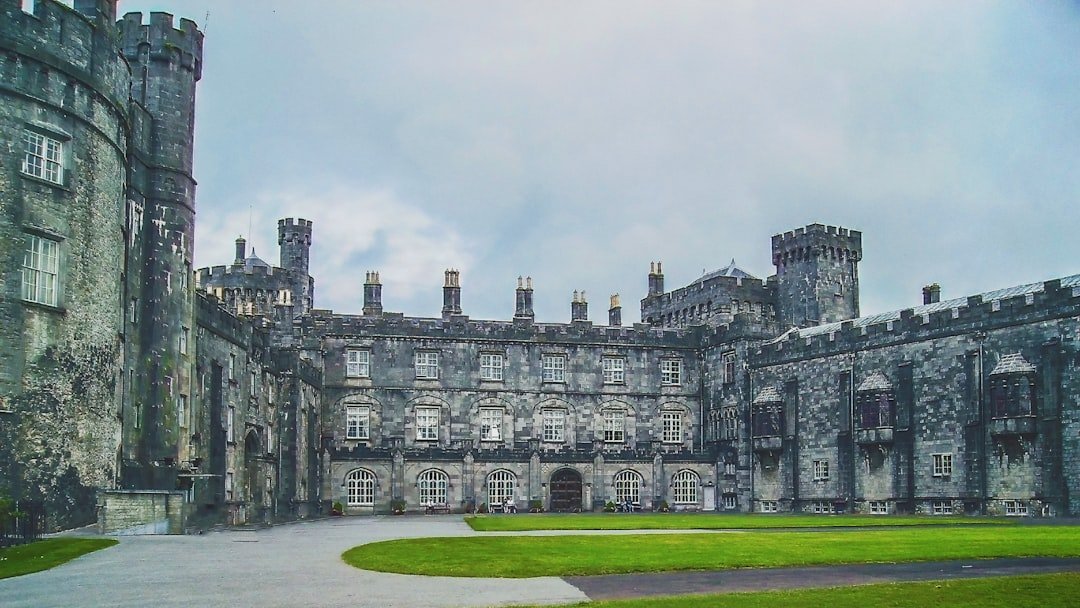
- Kilkenny (town), County Kilkenny: While larger than a village, Kilkenny’s medieval core — Kilkenny Castle, St. Canice’s Cathedral and narrow laneways — still feels intimate and walkable.
Local Experiences
Small towns in Ireland reward those who slow down. These experiences ground a visit in daily life.
- Food and pubs: Seek out family-run seafood restaurants in Kinsale and Dingle for fresh catches, and try farmhouse cheeses and brown bread in Westport and Kenmare. Pubs across these towns host traditional music sessions — particularly in Doolin and Dingle — where you can hear sean-nós singing and instrumental sets late into the night.
- Markets: Weekend farmers’ markets in Clifden and Kilkenny spotlight local produce, artisan bread, and handcrafted goods. Markets are the best place to sample regional specialities and meet makers.
- Viewpoints and walks: Walk Slea Head from Dingle for ocean cliffs and views of the Blaskets; take the Sky Road near Clifden for a coastal loop that rewards with endless Atlantic vistas; Howth’s Cliff Path is ideal for a half-day walk with seals often visible below.
- Neighborhoods and streets: Wander the thatched lanes of Adare, the painted storefronts of Dingle, and the medieval lanes in Kilkenny to absorb local architecture and shopfronts without itinerary pressure.
- Festivals: Time a visit for festivals like Kinsale Gourmet Festival (food-focused), the Clifden Arts Festival, or the Puck Fair in nearby Killorglin for a taste of county-level celebration and Irish cultural traditions.
- Outdoor activities: Kayaking in Kenmare Bay, cycling the Great Western Greenway from Westport, and guided sea-angling trips from Howth or Kinsale are accessible ways to experience surrounding landscapes and waters.
Best Time to Visit
Timing affects weather, crowds, and what’s open in small towns.
- Seasons: Late spring through early autumn (May to September) offers milder weather, longer daylight, and the busiest cultural calendar. Summer brings vibrant town life but also the highest visitor numbers.
- Weather: Expect temperate but changeable conditions; even in summer, bring a waterproof layer and wind protection for coastal walks. Winter is mild relative to continental climates but can be wet and windy.
- Crowds: July and August are peak months, especially in Dingle, Kinsale and towns near the Cliffs of Moher. For quieter visits with good weather, aim for May–June or September–early October.
- Best months: May–June for spring bloom and fewer crowds; September for warm sea temperatures, harvest events, and shoulder-season calm.
Essential Travel Tips
Practical advice to make travel between small towns smooth and enjoyable.
- Transportation: Renting a car gives the most freedom on narrow rural roads and makes it easy to reach viewpoints and remote attractions. If you prefer public transport, research regional bus timetables (Bus Éireann and local operators) and plan connections in advance; trains cover some routes but not all towns listed.
- Money: Credit and debit cards are widely accepted, but many small pubs, B&Bs and markets prefer cash for small purchases. ATMs are common in larger market towns, but bring cash when visiting more remote villages.
- Safety: Ireland is generally safe for solo and family travelers. Standard precautions apply: keep valuables secure, watch your step on uneven sidewalks and rural lanes, and check tide times before coastal walks.
- Packing: Layers are essential. Waterproof jacket, sturdy walking shoes with grip for cliff paths and cobbles, and a daypack for water, snacks and a reusable bottle. Plug adapters: Ireland uses Type G three-pin plugs (230V).
- Local etiquette: Be friendly but respectful in pubs and public spaces. Many locals appreciate polite conversation; avoid loud behavior late at night. When visiting churches or historical sites, observe signage about photography and respects during services.
Frequently Asked Questions
How many days should I spend in a small Irish town?
Two to three days per town is ideal for a relaxed pace: one full day for local exploration, one for a scenic drive or nearby attraction, and an extra day for walking or a festival if available.
Is it easy to combine several towns on a driving route?
Yes. Towns like Kinsale, Kenmare, Dingle and Clifden can be combined into clockwise or counterclockwise loops. Allow time for narrow country roads and frequent photo stops; distances can be short in miles but longer in time.
Are small towns family-friendly?
Very much so. Many towns have family-oriented attractions — aquariums in Dingle, coastal walks in Howth, playgrounds and parks in Westport — and accommodations that welcome children.
Can I find traditional Irish music in small towns?
Absolutely. Doolin, Dingle and parts of County Clare and Kerry are renowned for nightly traditional music sessions in pubs. Check local listings or ask residents for the best pubs to visit.
Do I need to book accommodations in advance?
Yes, especially during summer and around festival dates. Book B&Bs and guesthouses in advance to secure the most atmospheric, centrally located options.
Conclusion
Ireland’s small towns offer a concentrated experience of the country’s natural beauty, culinary strengths and storied past without the bustle of larger cities. From the dramatic coastal panoramas of Dingle and Clifden to the culinary charm of Kinsale and the medieval atmosphere of Kilkenny, each town provides memorable walks, welcoming pubs, and local expertise. Travel slowly, time your visit outside peak months if you can, and prioritize experiences that connect you to the landscape and community. These towns are best discovered on foot, with an open schedule and a readiness to listen to the stories told over a pint or at a market stall.