Switzerland’s Most Scenic Lakes: A Traveler’s Guide to Mirror-Blue Escapes
Switzerland’s lakes form some of the country’s most iconic landscapes: turquoise basins framed by Alpine peaks, historic towns on promenades, and quiet inlets ideal for reflection. From the Franco-Swiss shores of Lake Geneva to the emerald waters of Lake Brienz, each lake offers a different mood—urban chic, pastoral calm, or high-mountain drama. This guide focuses on the most beautiful lakes that invite scenic escapes and active days alike, highlighting what to see, authentic local experiences, practical travel advice, and the best times to plan your visit. Whether you’re mapping a leisurely lakeside train route or chasing viewpoints by foot, these Swiss lakes are accessible, photogenic, and loaded with character.
Must-See Attractions
Switzerland’s best lakes pair natural beauty with towns and viewpoints that are each worth lingering for.
-
Lake Geneva (Lac Léman): The crescent-shaped lake stretches from Geneva to Montreux. Don’t miss the lakeside promenades in Geneva, the Chillon Castle near Montreux, and vineyard terraces of Lavaux—UNESCO-listed for their stepped vines and sweeping lake views.
-
Lake Lucerne (Vierwaldstättersee): A fjord-like lake ringed by steep hills. Take the historic paddle steamers, ride the cogwheel railways up Rigi or Pilatus for panoramic views, and stroll the wooden Chapel Bridge in the city of Lucerne.
-
Lake Zurich (Zürichsee): Urban yet serene, with a long promenade connecting the city to leafy suburbs. Boat cruises reveal the distant Alps; the Quaibrücke and Bürkliplatz are excellent starting points.
-
Lake Thun (Thunersee): Turquoise waters beneath the Bernese Oberland’s peaks. The medieval Thun Castle overlooks the town’s timbered streets; boat trips link Thun with Interlaken and lakeside villages.
-
Lake Brienz (Brienzersee): A striking aquamarine lake east of Interlaken. The lakeshore road and boat services offer postcard views of steep rock walls and mountain pastures. Nearby Giessbach Falls and its historic grand hotel are memorable stops.
-
Lake Lugano (Lago di Lugano): A sub-Mediterranean atmosphere near the Italian border, with palm-lined promenades, terraced hills, and the elegant town of Lugano. Funiculars up Monte Brè or Monte San Salvatore give sweeping vistas over the lake.
-
Lake Maggiore (Lago Maggiore): Shared with Italy, Switzerland’s Ticino side—Ascona and Locarno—combines mild climate, lakeside cafes, and islands dotted with gardens. The lakeshore promenades and the Locarno Film Festival add cultural appeal.
-
Lake Constance (Bodensee): A broad lake bordering Germany and Austria as well as Switzerland. Swiss towns like Kreuzlingen and Romanshorn serve as gateways for cycling routes, ferry rides, and views of distant alpine silhouettes.
-
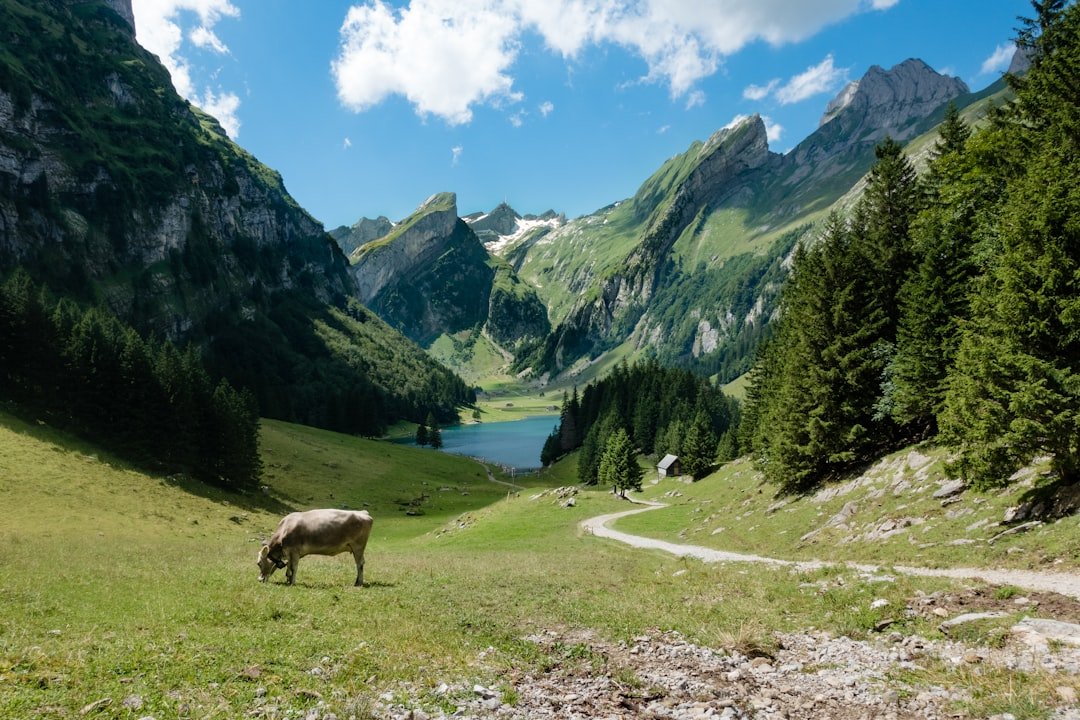
Oeschinen Lake (Oeschinensee): A high-Alpine, glacier-fed lake near Kandersteg. Known for crystalline waters and dramatic cirques, it’s a favorite for hiking, rowing and mountain panoramas reached by cable car.
Local Experiences
Authentic lake-life in Switzerland blends food, markets, viewpoints and seasonal festivals—each region has its own flavor.
-
Regional flavors and dining: Try freshwater fish dishes like perch (perch fillet) at lakeside restaurants on Lake Geneva and Lake Thun. In Ticino, sample risotto and polenta with a Mediterranean influence; pair with local Merlot from Valais or wines from Lavaux.
-
Markets and local produce: Visit weekly markets—Vevey and Montreux on Lake Geneva, Lucerne’s market near the Reuss, or Lugano’s markets for Ticinese specialties. Farmers’ markets are a great way to taste regional cheeses, cured meats and seasonal fruit.
-
Viewpoints and promenades: Walk the Lavaux terraces at vineyard level for uninterrupted lake vistas; take the Rigi or Pilatus ascents for high-elevation panoramas over Lake Lucerne. In Zurich, the lakeside promenade from Bellevue to Zollikon is ideal for sunset strolls.
-
Neighborhoods and lakeside towns: Wander Thun’s Old Town with its painted facades, explore Ascona’s elegant waterfront, and browse Lucerne’s cobblestone streets. Each lakeside town offers distinctive architecture and relaxed cafés.
-
Festivals and culture: Time visits for events like the Montreux Jazz Festival on Lake Geneva or Locarno Film Festival near Lake Maggiore. Summer brings fireworks, open-air concerts and lakeside theater performances in many towns.
-
Outdoor activities: Kayaking, stand-up paddleboarding and sailing are widely available; rent equipment from local operators. Hike lake circuit trails (e.g., Brienz lakeside paths), or combine cycling with ferries for long scenic days.
Best Time to Visit
Choosing when to visit Switzerland’s lakes depends on weather, crowds and the activities you prefer.
-
Spring (April–June): Blossoms, melting snowfields and increasingly mild weather make spring a terrific shoulder season. Lower crowds than summer, good conditions for lakeside walks and early-season boat services. Late spring brings vibrant vineyard growth in Lavaux.
-
Summer (July–August): Warmest months with full service on boats, mountain railways and tourist facilities. Expect the highest visitor numbers at Lucerne, Geneva and Lugano; book accommodations early. Ideal for swimming, water sports and festivals.
-
Autumn (September–October): Crisp air, autumnal colors in vine terraces and fewer crowds. September often retains warm days; October offers dramatic light and quiet lakeside walks. Many mountain railways continue to run into early October.
-
Winter (November–March): Quieter on the lakes themselves, but dramatic snow-dusted peaks. Lakeside towns like Montreux and Lugano have milder microclimates; some boat and rail services reduce schedules. Winter is excellent for combining lake views with nearby alpine skiing.
Essential Travel Tips
Practical advice to make the most of a scenic lake trip in Switzerland.
-
Transportation: Switzerland’s public transport is reliable and extensive—trains, regional buses and ferries link most lakes. Consider a Swiss Travel Pass for unlimited travel on many boats and trains. For remote lakes (e.g., Oeschinensee), check cable car and postbus timetables in advance.
-
Money and bookings: Switzerland uses the Swiss franc (CHF). Credit cards are widely accepted, but smaller vendors and markets may prefer cash. Book hotels and popular boat excursions in summer ahead of time.
-
Safety and water: Alpine weather changes quickly—carry layers and waterproof gear. Lake waters are clear but can be cold even in summer; heed local safety signs before swimming. Lifebuoys and rescue services are well placed in tourist areas.
-
Packing: Comfortable walking shoes, a light insulated jacket, and sun protection are essential. If you plan boating or hiking at altitude, pack a warmer midlayer and sturdy footwear. A compact umbrella or rain shell covers spring and fall showers.
-
Local etiquette: Swiss punctuality is real—arrive on time for trains, tours and reservations. Respect quiet hours in residential areas (often 10 p.m.–6 a.m.). When visiting churches or formal sites, dress modestly and speak softly.
-
Language: Switzerland has four official languages: German, French, Italian and Romansh. English is commonly spoken in tourist areas, but learning a few local phrases (bonjour, grazie, danke) is appreciated.
Frequently Asked Questions
Which Swiss lake is best for families?
Lake Brienz and Lake Thun are exceptionally family-friendly—calm waters, accessible boat routes, and nearby attractions like Giessbach Falls or castles make them great for children. Lakeside promenades and picnic spots are common.
Can I swim in the Swiss lakes?
Yes. Many lakes have designated swimming areas and beaches. Water can be cold, especially at higher-elevation lakes; check local information for lifeguard presence and water quality before swimming.
Are lake boat services included on the Swiss Travel Pass?
Many public boat services are included or discounted with the Swiss Travel Pass, particularly on major lakes like Lucerne and Geneva. Confirm specific routes and seasonal schedules when planning.
Which lake offers the most dramatic mountain reflections?
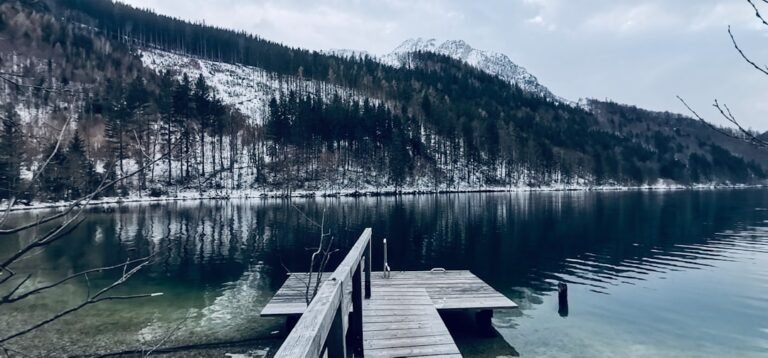
Lake Brienz and Oeschinensee are renowned for striking mountain reflections because of their clear, calm water and steep surrounding slopes. Early morning and late evening usually give the best mirror-like conditions.
How can I see multiple lakes in one trip?
Switzerland’s compact size and excellent transport network make multi-lake itineraries simple. Base in Interlaken to reach Brienz and Thun, or use Geneva as a hub for Lac Léman and nearby Lavaux. Combine trains, ferries and scenic routes for efficient travel.
Conclusion
Switzerland’s lakes offer a remarkable range of scenic escapes: broad, cosmopolitan shores; high-Alpine basins; and sun-soaked Ticino coves. Each lake has a distinct character shaped by geography, cuisine and local culture—making it possible to choose between urban promenades, vineyard terraces, mountain viewpoints or tranquil paddleboarding. With reliable public transport, clear signage and year-round charms, planning a lakes-focused trip is straightforward. Whether you’re seeking reflection and relaxation or outdoor adventure, these lakes reveal why Switzerland’s water landscapes remain among Europe’s most memorable.