Arizona Revealed: Iconic Landscapes, Local Flavors & Smart Travel Advice
Arizona is more than postcard canyons and saguaro silhouettes; it’s a patchwork of high desert, red-rock amphitheaters, vibrant towns and deep Indigenous histories. From the dizzying rim of the Grand Canyon to the galleries and coffee shops of downtown Tucson, this state rewards travelers who mix the obvious must-sees with neighborhood meandering and culinary curiosity. Sunrises and starry nights here carry a clarity you won’t find in more humid climes, and every highway turn can reveal a new geological or cultural surprise. Whether you have a few days or a fortnight, understanding seasonal rhythms, respectful ways to engage with Native communities, and smart logistics will multiply the quality of your trip. This guide outlines Arizona’s iconic sights, local experiences, the best times to visit, and practical advice to travel confidently and responsibly.
Must-See Attractions
The Grand Canyon National Park is Arizona’s signature landscape for good reason: the vastness of the South Rim, accessible lookout points like Mather Point and Yavapai Observation Station, and well-maintained trails give unparalleled views into geologic time. For a contrasting but equally dramatic scene, Sedona’s red-rock formations — Cathedral Rock, Bell Rock and the Oak Creek Canyon corridor — are only an hour’s drive from Flagstaff and offer both short day hikes and scenic drives.
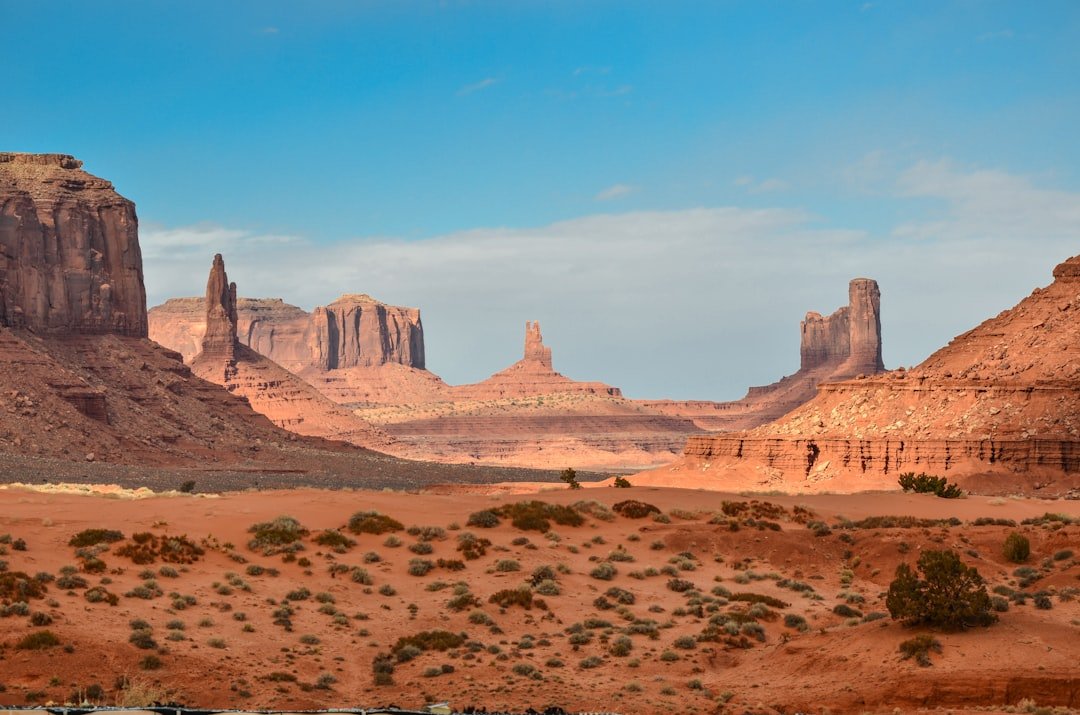
Monument Valley Navajo Tribal Park, on the Arizona-Utah border, serves cinematic desert vistas of buttes and mesas best seen at sunrise or with a guided Navajo tour that explains geological and cultural context. In northern Arizona, explore Antelope Canyon on guided tours from Page for its sculpted slot canyons and shifting light beams (book well in advance). For a different kind of historic draw, Tombstone preserves the feel of a rough-and-tumble 1880s frontier town centered on the O.K. Corral.
Phoenix and Tucson anchor Arizona’s urban experiences. Phoenix’s Desert Botanical Garden showcases regional flora and seasonal events, while the Heard Museum is an essential stop for deep dives into Native American art and history. Tucson’s historic Fourth Avenue, the Mission San Xavier del Bac and a thriving restaurant scene focused on Sonoran flavors make it a cultural counterpoint to the state capital.
Local Experiences
To feel Arizona beyond its photo ops, center your days on local flavors and landscapes. Start with food: sample Sonoran-style Mexican food across Tucson and Phoenix—think flour tortillas, carne asada, and unique regional staples like chimichangas (which have contested origin stories here). Try Navajo tacos made with fry bread, and seek out Native-owned restaurants for dishes that center Indigenous ingredients and traditions.
Markets and food halls offer a slice of local life. In Phoenix, Roosevelt Row’s arts market and the downtown farmers market are great places to find local produce, crafts and street food. In Tucson, the St. Philip’s Plaza Farmers Market and Mercado San Agustin host local vendors and live music.
Viewpoints and neighborhoods matter: drive the Red Rock Scenic Byway in Sedona, walk Flagstaff’s historic downtown for its breweries and mountain-town feel, and wander the Barrio Viejo or Congress Street in Tucson for adobe houses, murals and cafés. For festivals, time a visit to coincide with the Tucson Gem and Mineral Show (late January—February) or the Prescott Frontier Days (July) for rodeo heritage.
Outdoor activities go beyond the obvious hikes. Consider guided canyoneering in slot canyons, river rafting trips on the Salt or Colorado Rivers (seasonal), and birdwatching in wetlands like the Havasu or Buenos Aires National Wildlife Refuge. Night-sky programs at the Lowell Observatory in Flagstaff or designated dark-sky parks offer spectacular stargazing.
Best Time to Visit
Arizona’s scale creates wide climate variation. Northern high country—Flagstaff, the Grand Canyon, and ski areas—has cool summers and snowy winters. Southern Arizona—Tucson and Phoenix—features hot summers and mild winters.
- Spring (March–May): Probably the best overall window. Wildflowers, pleasant daytime temperatures across most of the state, and manageable crowds at major parks.
- Summer (June–August): Expect intense heat in Phoenix and lower-elevation deserts; monsoon season (mid-June to September) brings dramatic thunderstorms, reduced heat in evenings, and flash-flood risks in slot canyons. Northern Arizona is more comfortable at this time and is ideal for escaping the desert heat.
- Fall (September–November): Another excellent season: cooling temperatures, fewer tourists than spring, and colorful aspens on high-elevation trails in October.
- Winter (December–February): Mild and popular in southern cities for outdoor dining and hiking; higher elevations receive snow, offering winter sports near Flagstaff and Snowbowl.
For the Grand Canyon and Sedona, aim for mid-March to May or late September to October to balance weather and crowds. If your trip centers on desert cities, November–April offers the most comfortable temperatures for daytime exploration.
Essential Travel Tips
Transportation: Renting a car is the most practical way to explore Arizona’s dispersed attractions. Major highways are well maintained, but many scenic backroads are rural; check fuel levels and download offline maps for areas with limited cell service. Phoenix and Tucson have public transit and ride-share options for city stays, but remote parks require vehicle access.
Money: Credit cards are widely accepted in cities and tourist sites, but carry cash for small vendors, some tribal enterprises, or remote services. Park entrance fees vary—consider an America the Beautiful pass if you plan multiple national parks.
Safety: Heat is the primary hazard. Carry at least one liter of water per person per hour on hikes in hot months, wear sun protection, and avoid midday exertion in summer. During monsoon season, heed local warnings about flash floods and stay out of narrow washes. Wildfire season affects air quality and access; check closures before travel.
Packing: Layered clothing works best—desert days can be hot, nights cool. Include sturdy hiking shoes, a brimmed hat, sunscreen, a refillable water bottle with a filter or purification tablets for longer backcountry outings, and a basic first-aid kit. If visiting tribal lands or attending cultural sites, dress respectfully and follow any photography guidelines.
Local etiquette: Recognize that much of Arizona is Indigenous land—Tribal sovereignty and cultural sensitivity matter. Ask permission before photographing people or ceremonies, buy art directly from verified artists or tribal-run co-ops, and support Native-owned businesses when possible. When visiting natural sites, follow Leave No Trace principles to preserve fragile desert ecosystems.
Frequently Asked Questions
Do I need a permit to visit Antelope Canyon or other slot canyons?
Antelope Canyon and many popular slot canyons on Navajo Nation require guided tours and permits from authorized operators. Book well in advance, especially in peak seasons, and expect safety briefings about narrow spaces and flash-flood risks.
Is the Grand Canyon walkable along the rim?
Yes—the South Rim has paved trails and accessible viewpoints that are walkable for most visitors, including the Rim Trail between Mather Point and Hermit Road. Descending into the canyon is strenuous and requires preparation, water and knowledge of heat conditions.
Can I drive between Phoenix and Sedona in a day?
Yes. The drive from Phoenix to Sedona takes about two hours via I-17 north, with scenic pullouts and the option to stop in the historic gold-mining town of Jerome or at Montezuma Castle National Monument along the way.
Are there Native American cultural sites I can visit respectfully?
Absolutely. Museums like the Heard Museum (Phoenix) and cultural centers in tribal communities offer respectful, educational experiences. When visiting sacred sites on tribal lands, follow posted rules and accept that some areas are closed to the public.
How should I prepare for Arizona’s heat and sun?
Hydrate frequently, wear sunscreen and a hat, schedule strenuous activity for morning or late afternoon, and carry electrolyte supplements for long hikes. Know signs of heat exhaustion and avoid hiking in extreme temperatures.
Conclusion
Arizona combines striking landscapes with rich cultural layers and distinct regional flavors. Prioritizing a mix of famous landmarks and local neighborhoods will give you a fuller sense of the state—from the hush of canyon rims at dawn to the bustle of farmers markets and the depth of Indigenous art and history. Plan seasonally, respect tribal lands and desert ecosystems, and prepare for changing temperatures. With a bit of logistical foresight and curiosity, a trip to Arizona becomes more than a checklist of sights: it becomes an immersive journey through geography, history and hospitality.